
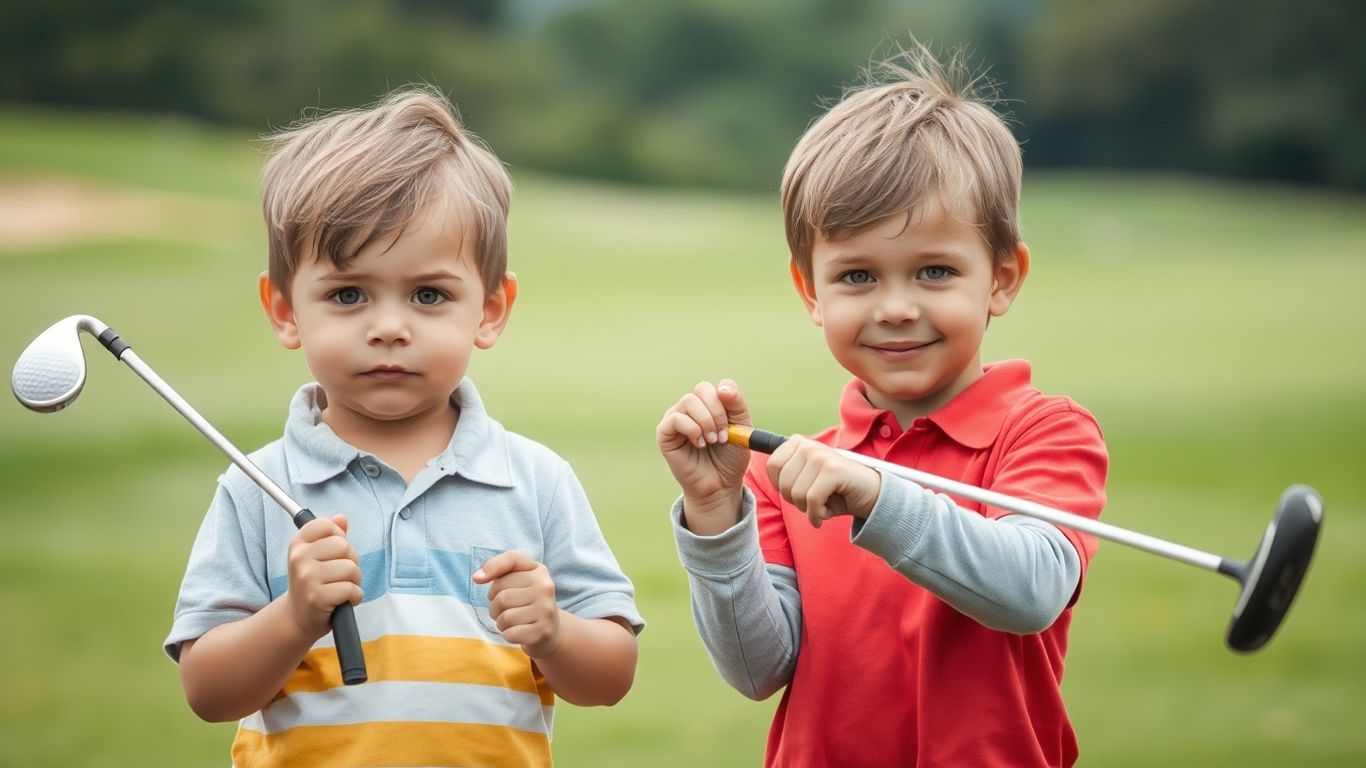
So, your kiddo has been hitting the links and really getting into golf. That's awesome! But you might be wondering when those junior clubs they started with just aren't cutting it anymore. It’s a common question for parents whose young golfers are growing up and improving. Deciding when to upgrade from junior clubs to regular clubs isn't just about age; it's a mix of physical growth, skill development, and making sure they have the right gear to keep enjoying the game.
Key Takeaways
Watch for signs your child is outgrowing junior clubs, like consistently choking up on the club or struggling with distance and accuracy.
Consider your child's height and strength. If they're approaching adult height or showing more power, it's time to look at regular clubs.
A golf pro can offer great advice on when to upgrade and what kind of clubs to consider, focusing on proper fit and avoiding overly stiff shafts.
Options for upgrading include custom-fit adult clubs, retrofitting used adult clubs, or choosing beginner adult sets.
Upgrading helps prevent bad swing habits, improves performance, and boosts your child's confidence on the course.
When Your Little Golfer Is No Longer So Little
The Growth Spurt Signal
Remember when your kid was practically glued to their junior golf clubs? Those clubs were probably a perfect fit, making them feel like a mini-Tiger Woods. But time, as it does, marched on. Now, you might be noticing some changes. Is your young golfer suddenly looking like they're trying to play with stilts? Are they constantly adjusting their grip, sliding their hands way down the club? These are classic signs your child outgrew junior golf clubs. It's like trying to wear your old favorite t-shirt from middle school – it just doesn't fit right anymore, and frankly, it's probably not doing their game any favors.
Beyond The Junior Set's Limits
Junior golf club sets are fantastic for getting kids started. They're lighter, shorter, and generally more forgiving. Think of them as training wheels for the golf world. However, these sets often have a limited range. Once your child hits a certain height or starts developing a more consistent swing, these clubs can actually become a hindrance. They might be too short, leading to an awkward posture, or the shafts might be too flexible, making it hard to control the clubhead. It’s time to consider transitioning from kids golf clubs when the clubs themselves start dictating a less-than-ideal swing.
When Their Game Outgrows The Gear
Sometimes, it's not just about physical size. Has your child's golf game started to blossom? Are they hitting the ball further and straighter than before? If they're consistently making solid contact and their shots are starting to feel a bit 'dead' or lacking the distance they should have, their current junior clubs might be the culprit. This is a clear indicator that they're ready for the next step in golf equipment. Choosing golf clubs for growing golfers means looking at clubs that can keep up with their improving skills and physical development, rather than holding them back. It's about finding the right next golf clubs for young players that match their current ability and potential.
The 'Are These Clubs Too Small?' Checklist
The Choke-Up Conundrum
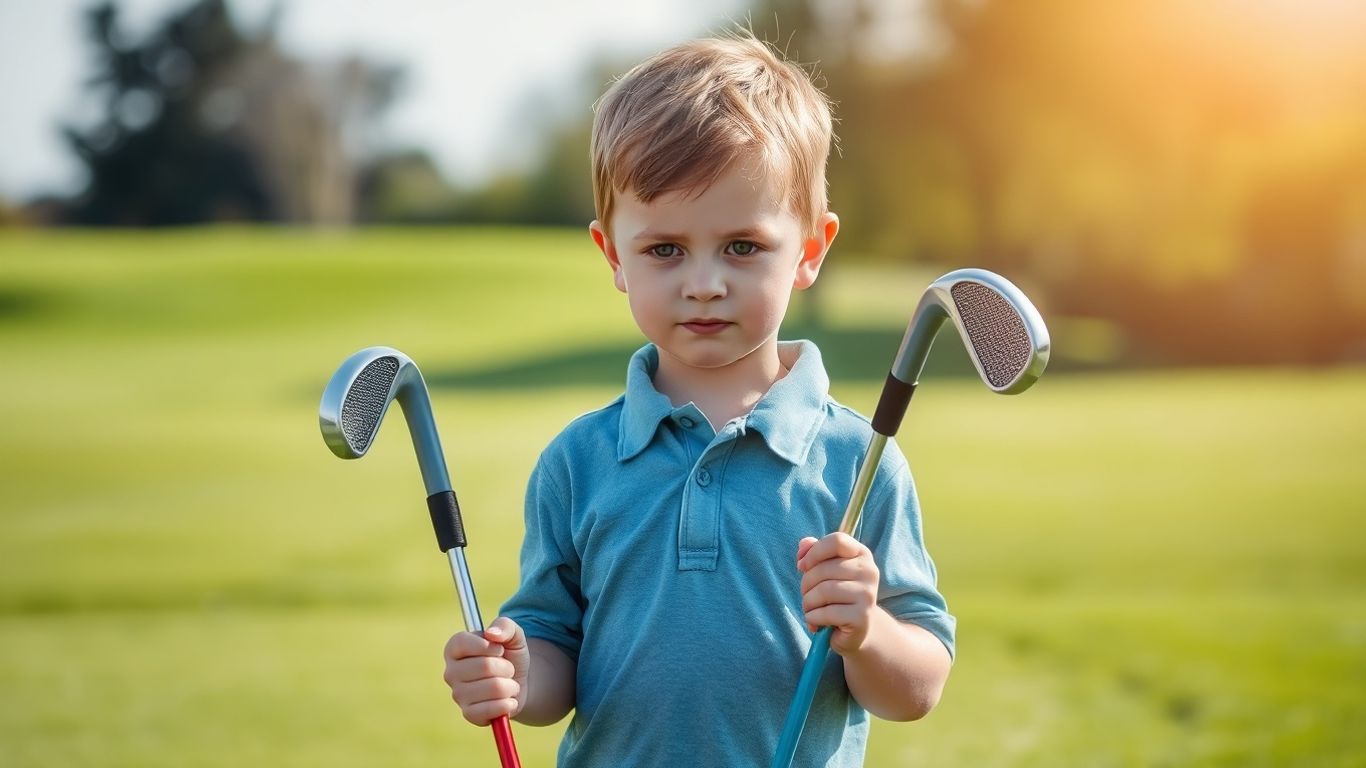
Ever watch your kid grip the club like they're trying to strangle a garden hose halfway down the shaft? That's a classic sign they're "choking up" because the club feels like a giant redwood. Junior clubs are designed for smaller hands and shorter arms, but as your little golfer grows, those clubs start to feel more like a toothpick than a golf club. If you see them consistently gripping way down the grip, it's a pretty good indicator that the clubs are becoming a bit of a stretch. It's like trying to drive a car with the seat pushed all the way back – possible, but not exactly comfortable or effective.
When The Ball Starts Flying Sideways (And It's Not The Wind)
We've all seen those shots that go wildly off-course. Sometimes it's just a bad swing, a rogue gust of wind, or maybe a squirrel ran across the fairway. But if you're noticing a pattern of slices or hooks that seem to come out of nowhere, and it's happening more often than not, your clubs might be playing a role. When clubs are too short, it can force a golfer to adjust their swing in ways that lead to off-plane shots. Think of it like trying to swing a broomstick – you'd probably contort yourself a bit to make it work, right? The same applies here. A consistent miss to one side, especially if it's a new development, could mean the clubs are fighting the swing instead of helping it.
The 'I Need More Power!' Plea
Kids are growing, and with growth comes strength. If your child is starting to complain that they just can't hit the ball as far as they used to, or they're seeing their friends with regular clubs getting more distance, it's worth investigating. Junior clubs are lighter and often have more flexible shafts to help younger, less strong players generate speed. As they get bigger and stronger, these lighter clubs might not provide the stability or the transfer of energy needed for maximum distance. It's like trying to hit a baseball with a wiffle bat when you're ready for a wooden one – you're just not going to get the same pop.
It's not just about height; it's about how they're swinging and what feels right in their hands. If the clubs feel awkward, too light, or just plain wrong, it's going to affect their game and their enjoyment.
Size Matters: More Than Just Height
Okay, so your kiddo isn't exactly a "little" golfer anymore. They've shot up like a weed, and those junior clubs are starting to look like a doll's golf set. But here's the kicker: it's not just about how tall they are. Think of it like trying to drive a car with the seat pushed all the way back – you can still reach the pedals, but it's not exactly ideal for control, right?
The Length of the Lie
This is where things get a bit technical, but stick with me. The 'lie angle' of a club is basically the angle between the shaft and the ground when the sole of the club is flat on the turf. If a club is too long or too short for your child, they'll have to adjust their posture. This can lead to them bending over too much (making the club effectively shorter) or standing too upright (making it effectively longer). This constant adjustment can mess with their swing mechanics faster than a squirrel can steal a golf ball.
Imagine this: if the club is too long, the toe of the club will be in the air, and the heel will be digging into the ground. This usually means the ball goes left. If it's too short, the heel is up, the toe is down, and hello, slice city.
Strength and Swing Speed Symphony
Junior clubs are generally built with lighter shafts and more flexible flexes. This is great when they're just starting out and don't have a ton of power. But as they get stronger and their swing speed picks up, those flexible shafts can become a real problem. It's like trying to hit a baseball with a pool noodle – you just don't get the same pop.
Here’s a quick way to gauge if the flex is off:
Too Flexible: The clubhead feels like it's lagging behind, and shots might go a bit wild, often to the left or with a high, weak trajectory.
Just Right: A nice, solid feel through impact, with the ball launching at a good height and going where you aimed.
Too Stiff: The club feels like a brick, and it can be harder to get the ball up in the air, often resulting in shots that are low and might pull left.
Is Your Child a Golfing Machine or a Casual Cruiser?
This is a big one. Is your kid practicing every day, dreaming of birdies, and talking about their handicap like it's their social security number? Or are they more of a "let's hit a few balls and then go get ice cream" type of player? The intensity and frequency of their play really matters when deciding on new clubs. A serious junior golfer might benefit from a more precise fitting, perhaps even looking at custom-fit adult clubs down the line, while a casual player might be perfectly fine with a slightly upgraded set of intermediate clubs.
The truth is, junior clubs are designed with a lot of forgiveness and flexibility. While this is fantastic for beginners, it can actually hinder a developing player who is starting to generate more clubhead speed and needs more precise feedback from their equipment. Trying to build consistent habits with clubs that are too flexible or the wrong length is like trying to build a house on quicksand.
Navigating The Club Upgrade Maze
The Pro's Crystal Ball
So, you've decided it's time to ditch the junior sticks. But where do you even start? It's like trying to pick a Netflix show on a Friday night – overwhelming! Your first stop should be your local golf pro. Think of them as the wise wizard of the links, the Gandalf of the greens. They've seen countless kids grow out of their clubs and can offer some seriously good advice. They won't just tell you if it's time, but what to look for. They know that a junior golfer isn't just a smaller adult; they're a work in progress. They'll help you avoid the trap of getting clubs that are too stiff or too long, letting your kid grow into them. It’s all about fitting them for who they will be in six months, not just who they are today.
Graphite Goodness or Steel Strength?
This is where things can get a little technical, but don't sweat it. Junior clubs usually come with graphite shafts because they're lighter and easier to swing. As your kid gets stronger and their swing speed picks up, you might start thinking about steel shafts. Steel shafts are heavier and can offer more control for faster swings. But here's the kicker: don't rush into stiff steel shafts like a kid in a candy store. For many junior golfers, even those moving to adult clubs, a regular flex graphite shaft is still the sweet spot. It's a balancing act. You want them to be able to generate speed without fighting the club. Think of it like this:
Graphite: Lighter, faster, good for developing swings.
Steel: Heavier, more control, better for faster, more consistent swings.
It’s not a one-size-fits-all situation. Your pro can help you figure out the right shaft material and flex based on your child's swing. Sometimes, a lighter steel shaft or a more flexible graphite option is the perfect bridge.
The Gradual Transition Tango
Upgrading clubs doesn't have to be an all-or-nothing, overnight event. It's more of a dance, a gradual tango. You might not need a full set of brand-new adult clubs right away. Consider a mixed set. Maybe they need longer irons and a driver, but their wedges are still okay. Or perhaps you can find a good used set of adult clubs and have them re-shafted or cut down. This is where being savvy comes in handy. You can slowly introduce adult-length clubs or slightly heavier shafts as they get bigger and stronger. It’s about making smart, incremental changes rather than a massive overhaul. This approach can save you a bundle and ensures your kid isn't overwhelmed by new equipment. It’s a marathon, not a sprint, and your kid’s game will thank you for it.
Beyond The Junior Box: Alternatives To Consider
So, your kiddo has outgrown their trusty junior set, but you're not quite ready to hand them a full set of adult clubs that look like they belong to a lumberjack? No worries, there are some sweet spots in between. Think of it like upgrading from training wheels to a real bike – you don't just slap on a motor, right? We've got a few options that won't break the bank or confuse your budding golfer.
Custom-Fit Adult Clubs: The VIP Treatment
This is where things get fancy. Imagine taking a regular adult club and tailoring it specifically for your child's size, strength, and swing. It’s like getting a bespoke suit, but for golf. Top junior players often go this route because it offers some serious performance perks. Yes, it can be a bit pricier than a standard junior set, but the payoff in terms of how well the clubs work for them is pretty darn good. It’s a way to get them high-quality gear that actually fits, rather than just hoping a standard adult club will do. This approach can really help them improve their game as they develop.
Retrofitting Used Clubs: A Savvy Strategy
Who says new is always better? Scouring the used club market can uncover some gems. You can take a perfectly good adult club that someone else has retired and have it modified for your child. This is a smart way to get them better equipment without the hefty price tag of brand-new custom clubs. The key here is to pay attention to the shaft's weight and material. You don't want to just hack off the end of a stiff steel shaft meant for a grown-up; that's a recipe for swing disaster. It's about finding clubs that have good bones and can be adjusted.
When 'Good Enough' Is Actually Great
Sometimes, the perfect solution isn't a whole new set. Maybe your child just needs a couple of longer clubs to replace their shortest ones, or perhaps a single driver that's a better fit. You don't always need to go all-in on a full set. Consider what specific clubs are causing the most trouble. Is it the driver? The irons? Focusing on just one or two clubs can be a much more budget-friendly and less overwhelming approach. It’s about making targeted improvements rather than a complete overhaul. Think about it like this:
Driver: If they're consistently topping the ball or hitting it way too low, a longer shaft or a different loft might be the ticket.
Irons: If their approach shots are coming up short, a slightly longer iron or one with a bit more loft could make a difference.
Putter: This one is often overlooked, but a putter that fits their stance and stroke can save strokes faster than almost anything else.
Don't get caught up in the idea that your child must have a full set of 14 clubs. For many junior golfers, a carefully selected mix of modified adult clubs and perhaps a few well-chosen junior clubs is more than enough to keep their game progressing and their spirits high. It's about finding what works for their game, not just what the rulebook says.
The 'Why Bother?' Of Upgrading
Avoiding Swing Flaws Before They Take Root
Look, nobody wants their kid to develop a swing that looks like they're trying to swat a fly with a pool noodle. When junior clubs become too small, kids have to do some pretty weird contortions to make them work. They might choke up way too much, or maybe they start doing this weird little flick of the wrists. It's like trying to drive a car with the seat pushed all the way back and the steering wheel too close – you just can't get a good feel for it. These little compensations can turn into bad habits that are harder to break than a toddler's tantrum. It’s way easier to build a solid foundation with clubs that actually fit. Think of it as teaching them to walk before they try to run a marathon. Getting the right fit early on helps them develop natural, repeatable motions. It’s not just about hitting the ball farther; it’s about hitting it better from the get-go.
Unlocking Their True Driving Distance
Remember when your kid’s drives used to land with a gentle thud, like a butterfly landing on a flower? Now, maybe they’re just… not going anywhere. Junior clubs, bless their little hearts, are designed for smaller, less powerful swings. When your child starts getting stronger and their swing speed picks up, those lightweight, whippy junior shafts just can't keep up. It’s like trying to push a sports car with a bicycle pedal. The ball just won't go as far as it could. Upgrading to clubs with slightly heavier shafts and heads designed for more adult-like swings can make a surprising difference. We're talking about adding yards, which translates to shorter approach shots and, dare I say it, more birdies. It’s about giving them the tools to actually use the power they’re developing. For a look at how much difference the right clubs can make, check out some examples of club fitting.
Building Confidence, One Proper Swing At A Time
There's something incredibly demoralizing for a young golfer when they're constantly struggling with their equipment. When clubs are too short, too light, or just not designed for their current abilities, it's a recipe for frustration. They might see their friends hitting the ball further or straighter, and they start to feel like they're the problem, not the clubs. This can really chip away at their confidence. But when they step up to the tee with clubs that fit them properly, that feel balanced and responsive, it’s a game-changer. They can focus on their swing, not on fighting the equipment. Seeing the ball fly further and straighter, even just a little bit, can be a huge confidence booster. It makes them want to practice more, play more, and fall even more in love with the game. It’s a positive feedback loop that starts with the right gear.
So, When Do They Graduate to Grown-Up Clubs?
Alright, so we've talked about height, strength, and whether your kiddo is more into golf than, say, collecting dust bunnies. The bottom line is, there's no magic age or handicap number. It's more about when those junior clubs start feeling like a pair of too-tight shoes. If your kiddo is outgrowing their gear, struggling to get decent distance, or just plain bored with their current setup, it might be time to look at something new. Chatting with the local golf pro is always a solid move, they've seen it all. And hey, if all else fails, remember that a slightly-too-big adult club that's been cut down can be a lifesaver. Just don't go buying them a set of blades just yet unless they're already beating you regularly. Then, well, you might have bigger problems.
Frequently Asked Questions
How do I know if my child has outgrown their junior golf clubs?
Watch for signs like your child having to 'choke up' a lot on the club (hold it lower than usual) because it's too long. If their shots are consistently going off course, not straight, and they complain about not getting enough distance, it's likely time for an upgrade. Also, if they're growing rapidly and their current clubs feel too short or light, that's a big clue.
Is it better to buy new adult clubs or look for used ones?
Both can work! New custom-fit adult clubs offer the best performance but come with a higher price tag. Used clubs can be a great, more affordable option, especially if you find a good set that can be adjusted. Sometimes, even 'ladies' graphite clubs can be a good intermediate step for a growing junior.
What's the difference between junior and adult club shafts?
Junior clubs typically have lighter and more flexible shafts to help younger players swing faster. Adult clubs have a wider range of shaft flexibilities (like 'regular' or 'stiff') and weights. The key is to match the shaft to your child's swing speed and strength, not just jump to the stiffest option available.
Should I get my child custom-fitted for clubs?
Yes, especially if they are serious about golf. A custom fitting ensures the clubs are the right length, lie angle (how the club sits on the ground), and have the right shaft. This helps prevent bad swing habits and allows them to perform their best. It's about fitting the club to the player's potential, not just their current size.
How much does it cost to upgrade my child's clubs?
The cost can vary a lot. A full set of new, custom-fit adult clubs can be expensive. However, you can find more affordable options like buying a used set and having them adjusted, or buying individual clubs as needed. Sometimes, a 'half set' of adult clubs is a good starting point.
Can using the wrong clubs hurt my child's golf game?
Absolutely. Using clubs that are too long, too short, too heavy, or too stiff can force a child to develop awkward or incorrect swing motions. These bad habits can be hard to break later on and can limit their distance and accuracy. Getting the right clubs helps build a solid foundation for their game.