

Figuring out where your junior golfer should compete can feel like a puzzle. You've got the well-known US Kids Golf, the highly competitive AJGA, and then all the local tours popping up. Each one offers something a little different, and choosing the right fit can really make a difference in their development. Let's break down the US Kids Golf vs AJGA vs local tours scene to help you decide.
Key Takeaways
- US Kids Golf is great for younger players and beginners, focusing on fun and learning the game. They have a clear progression from local events to a World Championship.
- The AJGA is for serious junior golfers aiming for college play. It's a high-level, competitive environment with a system for earning entry into events.
- Local tours offer a more accessible way to gain tournament experience, build confidence, and connect with other golfers in your area. They are often less expensive and demanding than national tours.
- Many regional and local tours award points or stars that can help boost a junior's standing for AJGA events, bridging the gap between different levels of competition.
- The best choice depends on your child's age, skill level, goals, and what you're looking to get out of the junior golf experience – whether it's learning, competing, or preparing for college.
Understanding the Landscape of Junior Golf Tours

Alright, let's talk about junior golf. It's a jungle out there, folks, and trying to figure out where your kiddo should swing their clubs can feel like trying to read a scorecard in the dark. We've got a whole bunch of organizations popping up, each with its own vibe and set of rules. It's like picking a favorite flavor of ice cream, but with more pressure and potentially more crying.
The big question is: how do you even start comparing junior golf organizations? It’s not as simple as just looking at the logo. You've got the big names that everyone talks about, and then you've got the local circuits that are closer to home. Each one offers something a little different, and what's perfect for one junior might be a total miss for another. Think of it like this:
- US Kids Golf: Often the first stop for the little ones. It's like kindergarten for golfers – focused on fun and getting the basics down.
- AJGA (American Junior Golf Association): This is where the serious contenders hang out. It's more like high school or even college prep for golf, with tougher competition and a focus on building a resume.
- Local Tours: These are your neighborhood block parties for golf. Great for getting reps in, meeting other kids from your area, and not having to pack a suitcase for every event.
Picking the right tour isn't just about the trophies; it's about finding the right fit for your child's personality, skill level, and your family's budget. We're not just talking about a few tournaments here and there; we're talking about a whole season of travel, practice, and, let's be honest, a fair bit of parental chauffeuring.
So, before you start signing up for everything under the sun, let's break down what makes each of these options tick. It'll help you make a choice that doesn't end with you regretting it more than that time you tried to assemble IKEA furniture without the instructions.
US Kids Golf: The Foundation for Young Golfers
Alright, let's talk about US Kids Golf. If you've got a kiddo who's just starting to swing a club, or maybe they've been at it for a bit but aren't quite ready for the high-pressure world of elite junior golf, this is probably where you'll find yourselves. Think of US Kids Golf as the training wheels of the competitive junior golf scene. They're all about getting kids into the game and making it fun, which, let's be honest, is half the battle when you're trying to get them to practice instead of playing video games.
Focus and Philosophy of US Kids Golf
The main idea behind US Kids Golf is pretty straightforward: grow the game for the little ones. They’ve figured out that if you give kids equipment that actually fits them – not just oversized adult clubs – and put them in tournaments with other kids their age and skill level, they're more likely to stick with it. It’s less about who’s going to be the next Tiger Woods and more about learning the rules, developing good sportsmanship, and, you know, actually hitting the ball. They’ve got a whole system for equipment, from tiny clubs for the 5-year-olds to slightly bigger ones for the 14-year-olds. It’s pretty neat.
Age and Skill Level Appropriateness
This is where US Kids Golf really shines. They break things down by age and skill. You've got different flights within age groups, so your 8-year-old isn't going up against the kid who's already shooting par. They have categories for different skill levels, meaning a beginner isn't going to be completely demoralized playing against someone who’s been coached since they could walk. It’s a smart way to keep kids engaged and build their confidence. They even have a World Championship event at Pinehurst for the 5-14 age group, which sounds pretty epic.
Cost and Accessibility
Compared to some of the other tours out there, US Kids Golf is generally more budget-friendly. The entry fees for tournaments are usually lower, and you don't have to travel across the country every weekend. Many local clubs and courses host US Kids Golf events, making it pretty accessible for most families. It’s a good starting point for understanding youth golf competition pathways without breaking the bank. Plus, they’ve partnered with the AJGA to give players a pathway to earn PBE stars, which is a nice bonus for those looking ahead.
The beauty of US Kids Golf is its focus on the journey, not just the destination. It’s about building a love for the game from the ground up, making sure the early experiences are positive and encouraging, which is so important for long-term engagement in any sport.
Here’s a quick look at how they structure things:
- Age Divisions: Typically range from 5-14 years old, often split into boys and girls categories.
- Skill Flights: Within age groups, players are often divided into flights based on scoring average or previous results.
- Tournament Formats: Usually 9-hole or 18-hole rounds, depending on the age group and skill level.
- Equipment: Specific US Kids Golf clubs designed for different heights and ages are recommended, if not required.
AJGA: The Premier Stage for Elite Junior Competition
AJGA's Competitive Environment and Standards
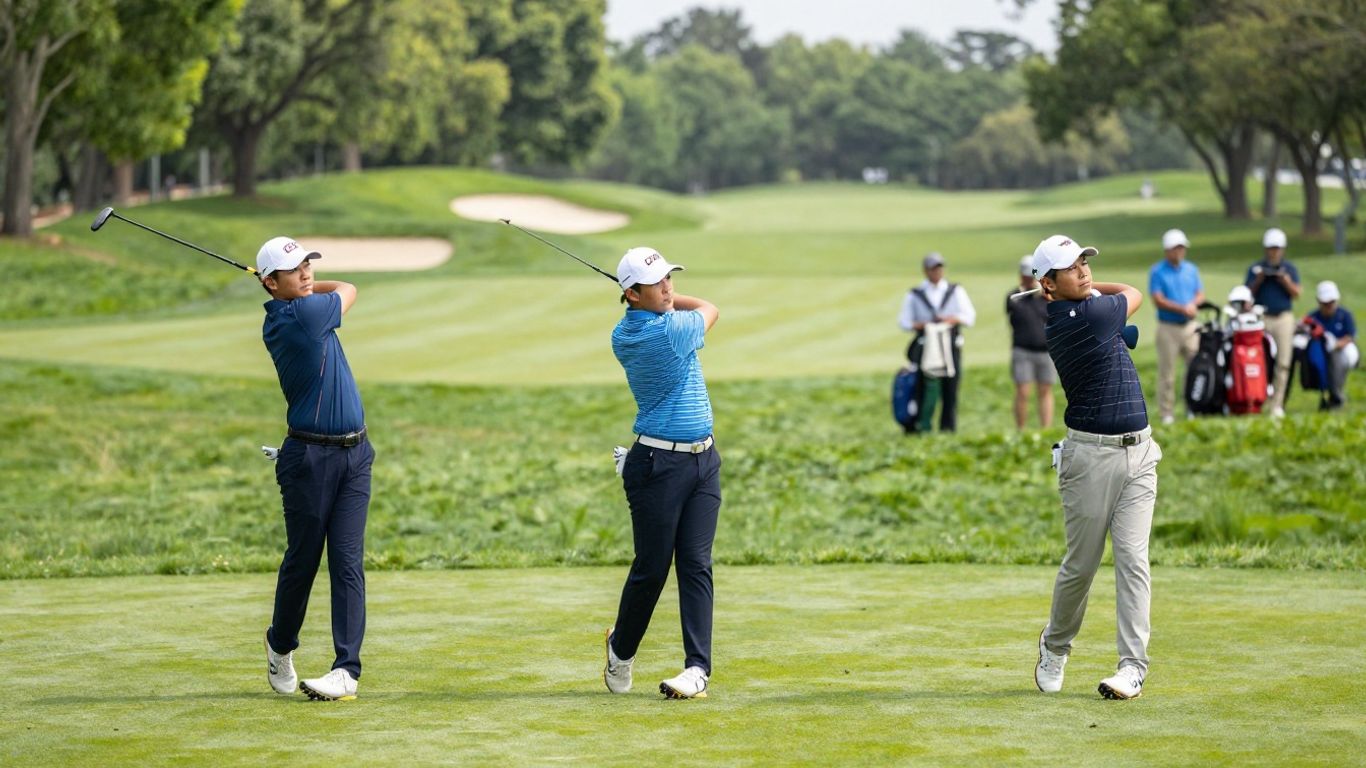
Alright, so you've heard about the AJGA, right? It's basically the big leagues for junior golfers. Think of it as the place where future pros cut their teeth. Many of the names you see on TV now, like Tiger Woods or Jordan Spieth, started out playing in these tournaments. It’s a pretty serious scene, with events running all year, though most of the action happens during the summer. They’ve got tournaments scattered all over the country, so chances are, there’s one not too far from you. The competition here is no joke; it's designed for juniors who are serious about playing golf in college.
Getting into an AJGA event isn't like just signing up for a local club tournament. You usually need to earn your way in. This is done through something called Performance Based Entry (PBE) status, which you build up by playing well in other junior events. Alternatively, you can try to qualify right before the tournament. It’s a bit of a hurdle, but it keeps the talent pool really strong.
College Golf Aspirations and AJGA
If your junior golfer has their sights set on playing Division I golf in college, then the AJGA is pretty much a must. College coaches keep a close eye on these events. It’s where they go to scout talent. So, if that’s the goal, playing in AJGA tournaments is a smart move. It's not just about playing well; it's about getting noticed. You can find information about upcoming AJGA events, like the Victoria Texas Preview, on their website. It's a good way to see what's happening around the country.
Commitment and Cost Involved
Let's talk brass tacks: the AJGA is a significant commitment, both in terms of time and money. These tournaments are often multi-day events, and travel can add up quickly. Plus, the entry fees themselves aren't exactly pocket change. You're looking at a substantial investment if you plan on playing a full AJGA schedule. It’s definitely something to budget for. Here’s a rough idea of what you might expect:
- Entry Fees: These can range from a couple hundred dollars to over $500, depending on the event.
- Travel Costs: Flights, hotels, food, and transportation to and from the course can easily add up, especially if you're traveling across the country.
- Equipment & Practice: Maintaining top-notch gear and getting quality practice time also factors into the overall cost.
It’s important to remember that while the AJGA is a fantastic platform, it's not the only path. However, if your junior is aiming for the highest level of college golf, the AJGA experience is pretty much non-negotiable. It’s a proving ground, a place to measure yourself against the best, and a direct line to college recruiters.
Local Tours: Building Experience and Community
Local golf tours are the unsung heroes in junior golf, kind of like your grandma's cookies—slightly overlooked, but always reliable, and definitely where most folks get their start. Instead of flying cross-country for an event or navigating tee times in a galaxy far, far away, local tours bring the fun (and pressure) close to home. But what makes them so special?
Benefits of Local Tour Participation
First things first: Local tours are the starter pack for young golfers. They offer much more than just a spot to play—they're like your friendly neighborhood golf league, minus the superhero capes.
- Low-Stress Beginnings: Local events mean familiar faces, less travel, and you can sleep in your own bed. No cross-country red-eyes needed.
- Skill-Building Without the Nerves: These tournaments let juniors work on scoring, pace, and rules in a forgiving environment, so they're not thrown into the deep end straight away.
- Community Vibes: It's a great way for kids (and parents) to meet others who share the golf obsession. There’s a real sense of camaraderie at smaller events.
- Resume Building: Wins and good scores here aren’t just for Instagram—local success looks good when you eventually apply for bigger tours.
- Budget-Friendly: Entry fees won’t drain the college fund (yet).
Here's a quick-and-dirty comparison of local tours vs. national or regional options:
| Tour Type | Average Entry Fee | Typical Field Size | Travel Distance |
|---|---|---|---|
| Local | $25 – $80 | 20 – 50 | 5–50 miles |
| Regional/National | $150 – $400 | 50 – 150 | 50–1500+ miles |
Sometimes, you need to see your name at the top of a leaderboard—especially to convince yourself (and the grandparents) that all those dropped golf balls in the backyard actually meant something.
Summing it up: Local golf tours aren’t just a stepping stone—they’re the launchpad. Your junior golfer will pick up the basics, soak up plenty of experience, and maybe, just maybe, win a trophy bigger than their head. And yes, you’ll likely make some lifelong friends—or at least find someone else who understands the pain of a three-putt. If you want them to fall in love with tournament golf (instead of just fearing it), local is where you start.
Making the Right Choice for Your Junior Golfer
Alright, so we've talked about the big leagues like US Kids and AJGA, and the local scene. Now comes the part where you actually have to pick where your kiddo is going to swing for the fences. It's not exactly rocket science, but it's also not as simple as just picking the closest course. Think of it like choosing a school – you wouldn't send a kindergartener to a PhD program, right? Same idea here.
The biggest thing to remember is that there's no one-size-fits-all answer when choosing junior golf circuits. What works for the kid down the street might be a total flop for your budding Rory McIlroy (or, you know, your kid who just likes hitting the ball really far).
Here's a quick rundown to help you sort through the junior golf tournament options:
- Skill Level: Is your golfer consistently shooting par, or are they still working on not hitting it into the woods on every hole? US Kids is great for starting out, AJGA is for the serious contenders, and local tours offer a nice middle ground.
- Goals: Does your junior dream of playing D1 college golf, or are they just looking to have fun and get better? This is a huge factor. AJGA is pretty much a must for serious college aspirations, while local tours can build confidence and experience.
- Time and Budget: Let's be real, golf ain't cheap. AJGA events can cost a pretty penny, especially when you factor in travel. Local tours are usually much easier on the wallet and require less time commitment.
- Enjoyment Factor: Is your kid actually having fun? If they're stressed out and miserable, it doesn't matter how prestigious the tour is. Make sure they're still enjoying the game.
Picking the right junior golf tournament schedule is a bit like planning a road trip. You need to know your destination (college golf, personal bests, etc.), your starting point (current skill level), and how much gas money (budget) you've got. Don't just jump in the car without a map; you might end up somewhere you didn't intend to be.
So, take a deep breath, chat with your junior golfer, and look at the options. It's about finding the right fit for them, not just the most famous name on the trophy.
Conclusion: Tee It Up, But Don’t Sweat It
So, where should your junior golfer play? Honestly, it depends on their age, skill level, and how much you like spending your weekends at golf courses instead of, say, sleeping in. If your kid is just starting out or still thinks a birdie is an actual bird, local events and U.S. Kids tournaments are perfect. They’re fun, friendly, and you won’t need to remortgage your house for travel expenses. If your junior is dreaming of college golf (and maybe a free hat or two), then AJGA is the big leagues—but be ready for some serious competition and a lot of PBEs (which, sadly, are not sandwiches). Regional tours are a great middle ground, especially if you want to build confidence and collect some hardware without needing a passport. In the end, every tournament is a chance to learn, meet new friends, and maybe even beat your own personal best. So pack some snacks, double-check the sunscreen, and remember: the most important thing is that your kid is having fun. And hey, if you get a tan out of it, that’s a win too.
Frequently Asked Questions
What's the main difference between U.S. Kids Golf and the AJGA?
U.S. Kids Golf is mostly for younger players, typically between 5 and 14 years old, and focuses on helping kids learn and enjoy the game. The AJGA, on the other hand, is for older, more experienced junior golfers, usually high school age, who are aiming to play golf in college. Think of U.S. Kids as the starting point and AJGA as the next big step for serious competitors.
Do I have to be a really good golfer to play in AJGA events?
Yes, the AJGA is for top junior golfers. You usually need to earn your way into tournaments by playing well in other events or by qualifying beforehand. It's a tough competition, but it's a great way to get noticed by college coaches if you're aiming for that path.
Are local golf tours just for beginners?
Not necessarily! Local tours are fantastic for gaining experience and playing more often, no matter your skill level. While some local events are great for beginners, others can be quite competitive and even offer chances to earn points that help you get into bigger tournaments like the AJGA.
How much money does it usually cost to play in these tournaments?
The cost can really add up. Local events might cost around $50 to $200. National tours like the AJGA can be much more, often $250 to $500 or even more for each tournament. Plus, you have to think about travel, hotels, and food if you're going far from home.
What should my junior golfer bring to a tournament?
Besides their clubs and plenty of golf balls, make sure they have water and snacks to keep their energy up for a long day. Sunscreen is a must! Depending on the weather, they might need a rain jacket or extra layers. It's also smart to have a plan for how they'll handle the mental side of the game, focusing on doing their best.
Why is playing in different types of tournaments important?
Playing in various tournaments helps junior golfers in many ways. U.S. Kids helps build a love for the game early on. Local tours give you consistent chances to play and improve. National tours like the AJGA offer top-level competition and are key for college recruiting. Each type of tour helps build different skills and experiences.