
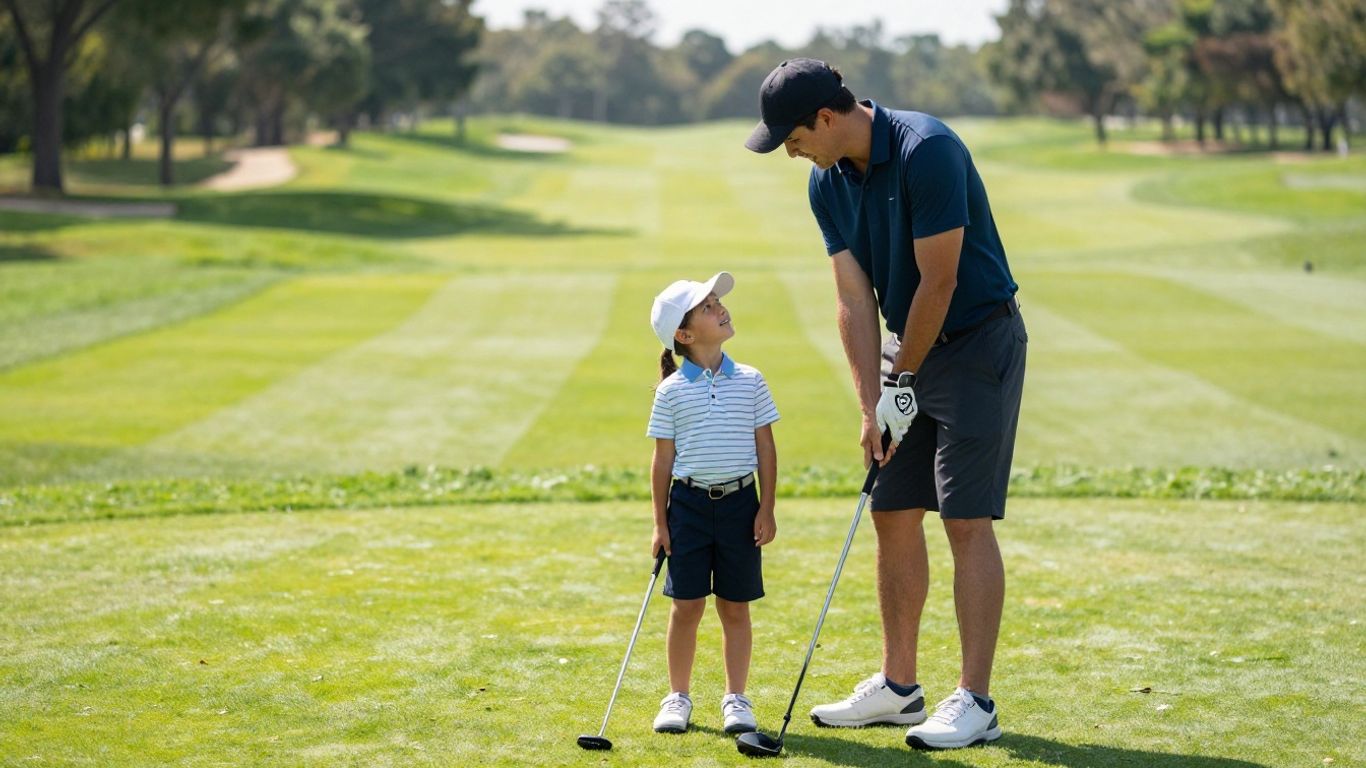
Getting your kid into golf can be a really rewarding experience, both for them and for you. It's more than just hitting a ball; it's about learning patience, how to be a good sport, and sticking with things even when they're tough. This guide is here to help you figure out the best way to support your young golfer, making sure it's fun and positive every step of the way. We'll cover everything from picking the right gear to keeping things balanced with school and life.
Key Takeaways
- Keep the fun front and center; golf is challenging, but enjoyment is key for a positive experience.
- Focus on effort and improvement over just scores; celebrate small wins along the journey.
- Ensure your child has properly fitted clubs and comfortable attire to start.
- Understand that your role can evolve; support your child without over-coaching.
- Balance golf with school and other activities to prevent burnout and maintain well-being.
Understanding Junior Golf: The Basics
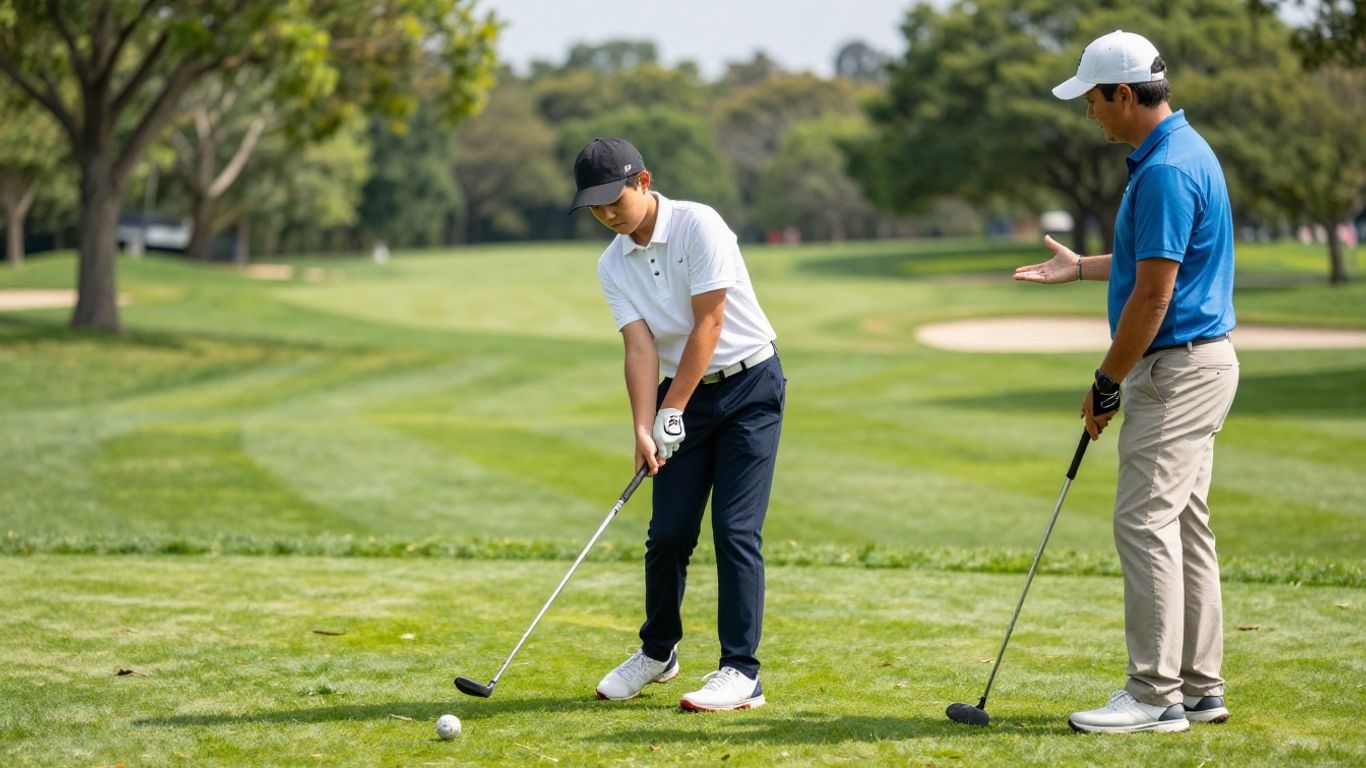
Alright, so you've decided to throw your kid into the wild world of junior golf. Welcome to the club! It's a bit like trying to herd cats, but with more tiny pants and a lot more grass. First off, let's get one thing straight: golf isn't just about whacking a little white ball around. It's a whole thing. It teaches kids patience (ha!), integrity (double ha!), and perseverance (triple ha!). Think of it as a crash course in life, but with a much higher chance of losing your ball in the woods. This whole parent guide to junior golf thing can seem daunting, but we'll break it down.
So, what's the deal with junior golf these days? Well, it's actually gotten pretty popular. Turns out, kids think it's cool again, which is wild considering it used to be the sport your grandpa played. We're talking millions of juniors hitting the links, and guess what? It's getting more diverse, with a lot more girls and kids from different backgrounds joining in. It's not just for the Tiger Woods wannabes anymore.
When is your kid ready to tee it up? Generally, around ages 5-7 is a good starting point. They need some basic hand-eye coordination – you know, the ability to not throw the club at a squirrel – and the attention span to focus for, like, five minutes. More importantly, they've got to want to play. If you're dragging them out there, it's probably not going to end well. Nobody likes being forced to do anything, especially if it involves a lot of walking and the potential for public embarrassment.
Here's a quick rundown of what you'll need to get started:
- Clubs: Don't just hand down your old set. Get them clubs that actually fit their height. Trust me, trying to swing a driver that's taller than you is a recipe for disaster. Check out resources for properly fitted clubs.
- Attire: Comfortable clothes are key. Think breathable fabrics, not that polyester monstrosity you wore in the 80s. And golf shoes, because slipping on the fairway is never a good look.
- Attitude: This is the big one. Keep it fun. Seriously. If it's not fun, they won't stick with it. Remember, it's a marathon, not a sprint. Or maybe it's a series of short sprints followed by long naps. Whatever works.
Golf is a game of inches, and sometimes, it feels like a game of pure luck. Your job as a parent is to help them enjoy the journey, not just obsess over the score. Celebrate the good shots, laugh off the bad ones, and try not to yell at the squirrels.
So, there you have it. The super-basic, slightly-less-than-serious intro to junior golf. We'll get into the nitty-gritty later, but for now, just remember to keep it light, keep it fun, and maybe invest in a good pair of earplugs for yourself.
The Parent’s Role in Junior Golf Development
Alright, let's talk about being a golf parent. It’s not just about dropping your kid off at the range and hoping for the best. Your role is way bigger, and honestly, sometimes it feels like you’re juggling more than just golf clubs. You’re the chauffeur, the snack provider, the cheerleader, and occasionally, the reluctant rules official. It’s a wild ride, but your support is what truly fuels their passion and progress.
Think of yourself as the pit crew for a race car. You’re not driving, but you’re making sure the car (your kid) has everything it needs to perform. This means understanding that youth golf development isn't just about hitting the ball straight. It’s about building character, learning patience (a lot of patience!), and figuring out how to handle both good shots and, well, the not-so-good ones. Helping your child with golf means creating an environment where they feel encouraged, not pressured.
Here’s a quick rundown of what you’re actually doing:
- Logistics Guru: Getting them to lessons, practices, and tournaments on time. This often involves early mornings and late evenings. You’re basically a professional scheduler.
- Emotional Support Specialist: Celebrating the birdies and offering a shoulder to cry on after the triple bogeys. Keeping perspective is key here.
- Cheerleader (the good kind): Focusing on effort and improvement, not just the score. A simple "great effort" can go a long way.
- Resource Navigator: Finding the right golf coaching for kids, understanding equipment needs, and knowing when to step back and let the professionals handle the technical stuff. If you're looking for structured programs, checking out a place like IJGA can be a good start.
Remember, your kid is playing golf, not you. It’s easy to get caught up in the excitement or the frustration, but try to keep your own emotions in check. Your calm demeanor can be incredibly helpful for a young golfer trying to manage their own feelings on the course.
It’s a balancing act, for sure. You want to support their journey, but you also don’t want to be the reason they start dreading the game. It’s about finding that sweet spot where you’re involved enough to be helpful, but not so involved that you’re taking the fun out of it. This whole supporting young golfers thing is a marathon, not a sprint.
Choosing the Right Golf Program or Coach
Alright, so your kiddo has decided they want to whack a little white ball around a big green field. Awesome! But now comes the slightly less fun part for you: figuring out where they're actually going to learn how to do it without picking up any weird habits. It's like picking a school, but with more grass stains and fewer standardized tests.
First off, don't just grab the first flyer you see at the local course. Think about what you want for your child. Are they super competitive and want to win all the trophies? Or are they more about just having a good time and making friends? Some programs are all about the serious competition, while others are more laid-back and focus on the fun.
Here’s a quick rundown of what to look for:
- Instructor's Vibe: Does the coach seem like someone your kid will actually listen to? Do they have experience with kids their age? A coach who can explain things simply and maybe crack a joke is usually a winner. Nobody wants a drill sergeant for a golf instructor.
- Program Structure: Is it just a bunch of lessons, or is there more to it? Some programs include playing on the course, fun games, or even team events. A mix is usually best to keep things interesting.
- Location and Schedule: This sounds obvious, but seriously, how often can you realistically get them there? A program across town that meets three times a week might be a no-go if you're already juggling a million other things.
- Cost: Golf can get pricey. Be clear on what's included. Are clubs provided? Are there extra fees for range balls or tournaments?
Finding a coach who understands that golf is supposed to be fun is half the battle. You don't want them to dread going to practice. Look for programs that emphasize positive reinforcement and skill-building over just yelling about scores.
Remember, the goal here is to get your kid hooked on the game, not to create the next Tiger Woods overnight. If the coach is constantly stressed or makes your child feel bad, it's probably not the right fit. A good program will make them excited to grab their clubs.
Some popular options you might see out there include PGA Jr. League, which is great for making golf a team sport, or U.S. Kids Golf programs that offer structured learning paths. Operation 36 is another one that gets kids on the course quickly. Do a little digging, ask other parents, and maybe even see if you can watch a session before signing up. It's better to do a little homework now than to have a grumpy golfer on your hands later.
Essential Equipment for Junior Golfers
Alright, let's talk gear. Getting your kid kitted out for the golf course doesn't have to be a full-blown expedition into the land of expensive sporting goods. Think of it like this: you wouldn't send a tiny astronaut into space with a colander for a helmet, right? Same principle applies here. The right clubs, fitted properly, are your first and most important mission objective.
When it comes to clubs, forget about buying a full set of adult-sized ones and hoping they grow into them. That's a recipe for frustration and some seriously wonky swings. Junior clubs are shorter, lighter, and designed for smaller hands and less powerful swings. You can often find starter sets that are perfect for beginners. Here's a quick rundown of what you're generally looking for:
- Driver/Woods: For those long drives (or, you know, attempts at long drives).
- Irons: Usually a few different ones, like a 7-iron, 9-iron, and a pitching wedge, for those shorter shots.
- Putter: The most important club, according to some people who are very serious about putting.
Beyond the clubs, you'll need some other bits and bobs:
- Golf Balls: Don't go for the fancy Pro V1s just yet. Plenty of decent, affordable balls out there for juniors. You'll lose them, it's part of the process.
- Golf Bag: A lightweight stand bag is usually the way to go. It's easier for them to carry and has legs that pop out so it stands up on its own. Handy!
- Golf Shoes: These give them better grip and stability. Plus, they look the part, which can be a big confidence booster.
- Golf Glove: If your child's hands get sweaty, a glove can help with grip. It's not strictly necessary for everyone, but worth considering.
- Appropriate Clothing: Think comfortable, breathable clothes. No jeans, please. A polo shirt and shorts or golf trousers are standard.
Remember, the goal here is to make it easy and fun for them to play. If the equipment is too heavy, too long, or just plain awkward, they're going to struggle before they even get a chance to enjoy the game. Start simple, get the fit right, and you can always upgrade as their game (and their height) progresses.
Don't forget about accessories like tees and a divot repair tool. They're small, but they make a difference. And maybe a little umbrella for those unexpected (and usually very brief) rain showers. You know, the ones that always seem to happen when you've forgotten the rain gear.
Balancing School, Life, and Junior Golf
Alright, let's talk about the elephant in the room: how to keep your kid from becoming a golf hermit who flunks out of school. It’s a delicate dance, isn't it? You want them to chase their golf dreams, but you also don't want them forgetting how to read or, you know, tie their shoes.
Think of it like this: golf practice is like a really intense after-school club, but with more grass stains and fewer snacks. So, how do we make sure the books aren't gathering dust while they're perfecting their swing?
Here’s a rough game plan:
- The Schedule Shuffle: Get a big calendar. Like, wall-sized. Mark down school events, homework deadlines, golf lessons, practice sessions, and, gasp, family time. Seeing it all laid out helps you spot the potential meltdowns before they happen.
- Homework First, Birdies Later: This is non-negotiable. Before they even think about picking up a club, homework needs to be done. Maybe even checked. This isn't about being a drill sergeant; it's about teaching them that responsibilities come first.
- Quality Over Quantity: Do you really need them out on the course for four hours every single day? Probably not. Shorter, focused practice sessions are often way more effective than marathon sessions that leave everyone grumpy. Plus, it leaves more time for, you know, living.
- The 'No Golf' Zone: Designate at least one day a week as a complete golf-free zone. This is for family stuff, hanging out with friends who don't talk about their handicap, or just vegging out. It’s vital for preventing that dreaded burnout.
Seriously, don't underestimate the power of downtime. It’s not lazy; it’s necessary. Kids need breaks to recharge, process, and just be kids. If golf becomes the only thing in their life, it stops being fun and starts feeling like a job. And nobody wants that, especially not a ten-year-old.
Remember, they're still kids. They need sleep, they need to see their friends, and they probably need you to occasionally remind them what a parabola is. It’s all about finding that sweet spot where they can chase their passion without sacrificing everything else. It’s tough, but hey, at least you’ll have a good excuse to buy a bigger calendar.
Motivating Without Pressuring Your Child
Alright, let's talk about the fine art of cheering for your kid on the golf course without turning into that parent. You know the one. The one who yells instructions from the sidelines like they're the next swing coach, or worse, the one who sulks when their little champ doesn't break 80. It's a tricky balance, like trying to putt with a squirrel on your back.
First off, remember why they started playing. Probably because it was fun, right? Keep it that way. Your job isn't to turn them into the next Tiger Woods (unless they're already showing signs, then maybe start practicing your autograph). It's to help them enjoy the game, learn some cool life lessons, and maybe, just maybe, not lose too many golf balls.
Here’s a little cheat sheet to keep things chill:
- Celebrate the effort, not just the score. Did they try a new shot? Did they walk the whole course without complaining (much)? Did they shake hands with their playing partners? Those are wins! A birdie is great, but a good attitude? Priceless.
- Let them lead the way. Ask them how they felt about their round. What did they like? What was tough? Resist the urge to jump in with your own analysis. They'll tell you what they want to tell you, and that's usually more helpful than your unsolicited advice.
- Focus on improvement, not perfection. Golf is a game of misses. Everyone misses. The goal is to get a little better each time, not to hit every shot perfectly. Think of it like learning to ride a bike – you fall, you get back up, you eventually pedal without wobbling too much.
The car ride home after a round can be a minefield. Avoid the "what you should have done" lecture. Instead, try a simple, "That looked like a tough shot, how did it feel?" or "What was your favorite part of the course today?" Keep it light, keep it positive.
Don't forget that your kid is a kid first, and a golfer second. If they're not having fun, or if they feel like they're constantly letting you down, they'll likely bail. And nobody wants that. So, keep the pressure low, the encouragement high, and maybe bring some snacks. Everyone plays better with snacks.
Fostering Good Sportsmanship and Ethics
Alright, let's talk about the stuff that matters more than sinking a 30-foot putt: being a decent human being on and off the course. Golf, believe it or not, is a game where you're often playing against yourself and the course, but you're also part of a community. Teaching your kid about sportsmanship and ethics isn't just about following the rules; it's about building character. Think of it as teaching them how to be a good sport, win or lose, which, let's be honest, is a skill that's way more useful in life than a perfect slice.
So, what does this actually look like on the golf course? It's the little things, mostly. It's about respecting the course – not taking divots like a badger digging for grubs, and fixing them if you do. It's about respecting other players, even the ones who are way better (or way worse) than your kid. That means no complaining about slow play, no yelling at your ball when it goes into the woods, and definitely no blaming the equipment. The goal is to make sure your kid is known for their good attitude as much as their golf swing.
Here's a quick rundown of what to emphasize:
- Honesty: If they accidentally move their ball or don't count a penalty stroke, they need to own up to it. No fudging numbers, no looking the other way. It's a tough lesson, but a vital one.
- Respect for Officials and Rules: The rules officials are there for a reason. Listen to them, don't argue, and accept their decisions. It's not about winning at all costs; it's about playing the game the right way.
- Courtesy to Opponents and Playing Partners: This includes things like not distracting someone when they're about to hit, helping them look for their ball, and offering a handshake at the end of the round, regardless of the score.
- Patience: Golf can be slow. Teaching your kid to be patient with the pace of play, with their own game, and with others is a big deal.
Remember, your kid is watching you. If you're yelling at the TV during a pro tournament or complaining about every little thing when you play, they're going to pick that up. Be the example you want them to follow. It's not always easy, especially after a rough round, but it's worth it. The golf course is a classroom for life, and good sportsmanship is a top-tier lesson.
Think about it: nobody wants to play with a whiner or someone who cheats. But everyone enjoys playing with someone who is respectful, honest, and has a good attitude. That's the kind of golfer, and person, you want your child to be. It's about building a reputation that goes beyond the scorecard.
Supporting Your Child During Tournaments
Alright, buckle up, parents, because tournament day is here. It’s like a mini-Olympics for your kid, and your role is less "coach" and more "chief morale officer" and "snack dispenser." Remember, they’ve practiced, they’ve got their gear, and now it’s their time to shine (or, you know, just try not to hit it in the woods too many times). Your job is to be the calm in their storm, the cheerleader in the gallery, and the person who remembers to pack extra water.
Pre-Tournament Preparation Tips
Getting ready for a tournament isn't just about packing the right clubs; it's about getting your junior golfer's head in the game. Think of it like prepping for a big exam, but with more fresh air and less calculus.
- The Night Before Ritual: Lay out the clothes, pack the golf bag (double-check for tees!), and make sure their favorite lucky socks are clean. A good night's sleep is gold, so maybe ban the video games after dinner.
- Fueling Up: Breakfast is key. Think "sustained energy," not "sugar rush followed by a crash." Bananas, oatmeal, and maybe a sneaky piece of toast are your friends. Avoid anything that might cause a stomach upset – nobody wants a golf emergency.
- The Drive to the Course: This is prime time for some low-key pep talk. Keep it light. Ask them what they're excited about, or what shot they're looking forward to hitting. Avoid last-minute swing tips; that's what the coach is for! Your goal is to build confidence, not add to their pre-game jitters.
- Arrival Strategy: Get there early enough to avoid rushing, but not so early that they're just sitting around getting anxious. A quick walk around the practice green or hitting a few balls can help them get a feel for the day.
Managing Expectations and Results
This is where the real parenting magic happens. Your kid is going to have good days and bad days on the course. It’s a given. Your reaction to both is what really matters.
- The "Good Job" is for Effort, Not Just Score: Did they try their best? Did they stay positive when things got tough? That’s what you celebrate. A score is just a number; their attitude is a reflection of their character.
- Debriefing the Round (The "Ride Home" Talk): Let them lead the conversation. Ask open-ended questions like, "What was the best part of your round?" or "What felt good out there?" Resist the urge to immediately point out every missed putt or errant drive. They know. They’re probably already beating themselves up about it.
- The "It's Okay" Mantra: If they had a rough day, it’s okay. Golf is hard. Remind them that even the pros have off days. The important thing is to learn from it and move on. Don't let a bad round define their entire golfing experience.
Tournament golf is a fantastic learning ground, but it's easy for parents to get caught up in the scores and the wins. Remember that your child is still learning the game, and more importantly, learning about themselves. Your steady, supportive presence is far more valuable than any trophy.
Recognizing and Navigating Burnout
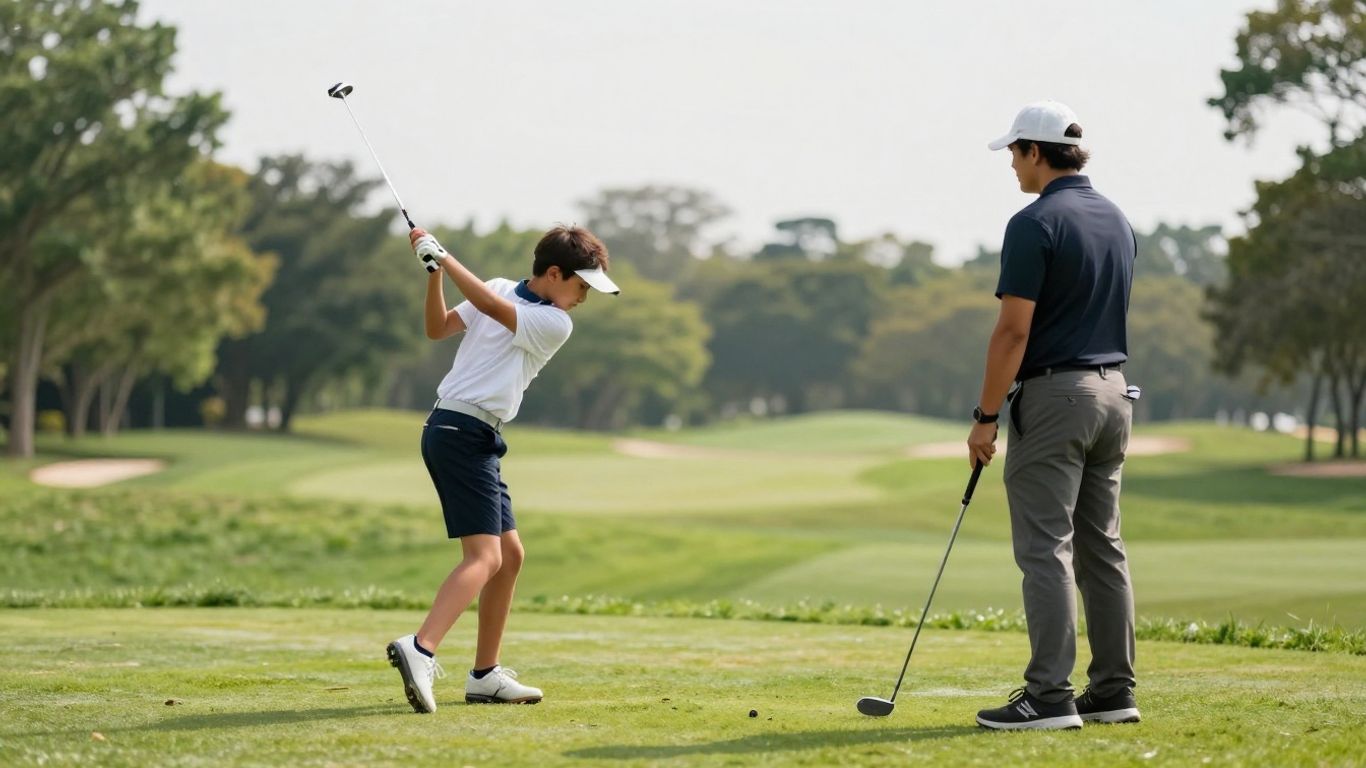
Okay, let's talk about burnout. It's that moment when your kid, who used to practically sleep with their golf clubs, suddenly starts acting like they'd rather clean the golf cart with a toothbrush than step onto the course. It's not just a bad mood; it's a full-blown 'I'm over this' situation. You might see them dragging their feet, losing interest in practice, or even complaining about physical aches that seem to magically disappear when it's time for video games.
The biggest red flag is when the joy just evaporates. Golf stops being fun and starts feeling like a chore, a relentless series of demands and expectations. It’s like trying to force-feed someone broccoli when they’re craving ice cream – it just doesn’t work.
Here are some signs to watch out for:
- Sudden disinterest in golf activities.
- Increased irritability or moodiness related to the sport.
- Complaints of fatigue or physical discomfort that don't have a clear medical cause.
- A drop in performance that isn't explained by skill development.
- Talking about wanting to quit or do something else entirely.
Burnout isn't about laziness; it's often a sign that the pressure has become too much, or the passion has been overshadowed by obligation. It's your kid's way of saying they need a break, a change of scenery, or a serious recalibration of what golf means to them.
If you spot these signs, don't panic. First, take a deep breath. Then, have a real, honest chat with your kid. Ask them how they're really feeling about golf, not just their last round. Sometimes, a little time away from the course, maybe a week or two with no golf talk allowed, can do wonders. Let them explore other interests, or just be a regular kid for a bit. Reintroducing golf should be on their terms, focusing on the fun aspects again, not just the drills and the scores. It’s about reminding them why they picked up a club in the first place.
Long-Term Success: From Junior Golf to Beyond
So, your kid’s been swinging clubs, maybe even hitting a few fairways. What’s next? Well, the golf world is booming, and more kids are getting into the game than ever before. It’s not just about Tiger Woods anymore; golf’s actually become pretty cool. But here’s the thing: the journey from junior golfer to… well, whatever comes next, is a marathon, not a sprint. And honestly, it’s easy to mess it up if you’re not careful.
Think about it. You’ve spent years hauling them to the course, cheering (or groaning) from the sidelines, and probably buying more golf shirts than you ever thought possible. Now, the pressure might start to creep in. Are they going to go pro? Will they get a scholarship? Slow your roll, folks. The real win is seeing them develop into a well-rounded person who happens to play golf.
Here’s a quick rundown of what to keep in mind as they grow:
- Keep it Fun: Seriously, if it stops being enjoyable, the whole thing falls apart. Remember why they started in the first place – probably because it was fun.
- Life Lessons Over Birdies: Golf teaches patience, how to handle a bad bounce, and the importance of integrity. These are way more valuable than any trophy.
- Let Them Lead (Eventually): As they get older, their goals might change. Be ready to support their decisions, even if it means less golf.
- The 'Next Step' Isn't Always the PGA Tour: College golf is great, but so is playing in a local league, or just playing for fun with friends. There are tons of paths.
Don't get so caught up in the score that you forget about the swing, or worse, forget about the kid. It’s a delicate balance, and sometimes, you’ll probably drop the ball. That’s okay. Just pick it up and keep walking.
Ultimately, your goal is to help them build skills that go beyond the 18th hole. It’s about character, resilience, and maybe, just maybe, a lifelong appreciation for a good walk spoiled. And if they happen to make a little money playing golf along the way? Well, that’s just a bonus, isn’t it?
So, You've Raised a Golfer (Maybe)
Alright, we've covered a lot of ground, from tiny clubs to big dreams. Remember, your kid might end up being the next golf superstar, or they might just enjoy the fresh air and the occasional good shot. Either way, you survived the parent-coach role, the endless search for golf balls, and the questionable fashion choices. If they're still swinging, even if it's more like a wild flail, give yourself a pat on the back. You've given them a chance to learn, to grow, and maybe, just maybe, to develop a lifelong love for a sport that's equal parts frustrating and fantastic. Now, if you'll excuse me, I think I hear someone yelling 'Fore!' in the distance... probably my kid.
Frequently Asked Questions
How do I know if my child is ready for golf?
Look for signs that your child has good hand-eye coordination and can focus for a little while. They should also seem genuinely excited about golf, not just doing it because you want them to. Usually, kids around 5 to 7 years old start showing these signs.
What's more important: lessons or just playing around?
It's best to have a mix of both! Structured lessons help your child learn the right techniques, while just playing lets them have fun and get comfortable with the game. Finding that balance keeps them engaged and helps them improve.
Do I need to buy expensive golf clubs for my child?
Not at all! The most important thing is that the clubs fit your child's height and strength. You can find great junior sets that won't break the bank. Comfortable shoes and clothes are important too, but fancy gear isn't necessary to start.
How can I help my child deal with frustration on the golf course?
Golf can be tough! Talk to your child about how it's okay to feel frustrated, but help them learn to manage those feelings. Celebrate small wins and remind them that getting better takes time and practice, not just perfect scores.
Should I coach my child myself, or hire someone?
It's often best to let a qualified coach handle the technical instruction. Your role as a parent is to be their biggest supporter! You can help with encouragement, managing expectations, and making sure they're having fun. Trying to coach them yourself can sometimes cause confusion or stress.
What's the best way to support my child during a golf tournament?
Focus on their effort and enjoyment rather than just the score. Before the tournament, help them prepare and set realistic goals. During the event, be a calm and positive presence. Afterward, talk about what they learned and celebrate their hard work, no matter the outcome.