
Getting your kid into golf can be a really rewarding experience, both for them and for you. It's more than just hitting a ball; it's about learning patience, how to be a good sport, and sticking with things even when they're tough. This guide is here to help you figure out the best way to support your young golfer, making sure it's fun and positive every step of the way. We'll cover everything from picking the right gear to keeping things balanced with school and life.
Key Takeaways
- Keep the fun front and center; golf is challenging, but enjoyment is key for a positive experience.
- Focus on effort and improvement over just scores; celebrate small wins along the journey.
- Ensure your child has properly fitted clubs and comfortable attire to start.
- Understand that your role can evolve; support your child without over-coaching.
- Balance golf with school and other activities to prevent burnout and maintain well-being.
Understanding Junior Golf: The Basics
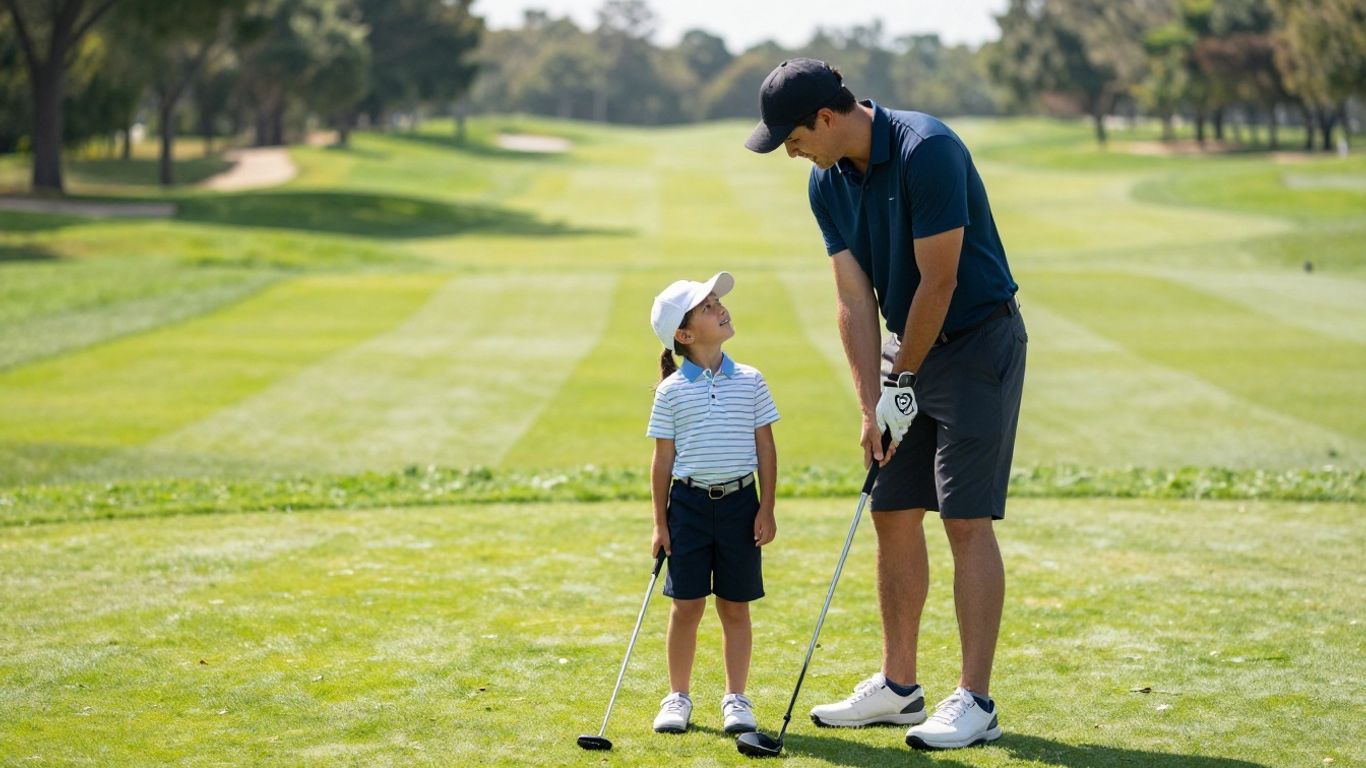
Alright, so you've decided to throw your kid into the wild world of junior golf. Welcome to the club! It's a bit like trying to herd cats, but with more tiny pants and a lot more grass. First off, let's get one thing straight: golf isn't just about whacking a little white ball around. It's a whole thing. It teaches kids patience, integrity, and perseverance. Think of it as a crash course in life, but with a much higher chance of losing your ball in the woods.
So, what's the deal with junior golf these days? Well, it's actually gotten pretty popular. Turns out, kids think it's cool again, which is wild considering it used to be the sport your grandpa played. We're talking millions of juniors hitting the links, and guess what? It's getting more diverse, with a lot more girls and kids from different backgrounds joining in. It's not just for the Tiger Woods wannabes anymore.
When is your kid ready to tee it up? Generally, around ages 5-7 is a good starting point. They need some basic hand-eye coordination and the attention span to focus for a few minutes. More importantly, they've got to want to play. If you're dragging them out there, it's probably not going to end well.
The Parent's Role in Junior Golf Development
Your role is way bigger than just dropping your kid off at the range and hoping for the best. You're the chauffeur, the snack provider, the cheerleader, and occasionally, the reluctant rules official. Your support is what truly fuels their passion and progress. Think of yourself as the pit crew for a race car. You're not driving, but you're making sure the car (your kid) has everything it needs to perform.
Choosing the Right Golf Program or Coach
Finding a coach who understands that golf is supposed to be fun is half the battle. You don't want them to dread going to practice. Look for programs that emphasize positive reinforcement and skill-building over just yelling about scores. The goal here is to get your kid hooked on the game, not to create the next Tiger Woods overnight.
Essential Equipment for Junior Golfers
The right clubs, fitted properly, are your first and most important mission objective. When it comes to clubs, forget about buying a full set of adult-sized ones and hoping they grow into them. Junior clubs are shorter, lighter, and designed for smaller hands and less powerful swings. You can often find starter sets that are perfect for beginners.
Balancing School, Life, and Junior Golf
Seriously, don't underestimate the power of downtime. It's not lazy; it's necessary. Kids need breaks to recharge, process, and just be kids. If golf becomes the only thing in their life, it stops being fun and starts feeling like a job. Remember, they're still kids. They need sleep, they need to see their friends, and they probably need you to occasionally remind them what a parabola is.
Motivating Without Pressuring Your Child
The car ride home after a round can be a minefield. Avoid the "what you should have done" lecture. Instead, try a simple, "That looked like a tough shot, how did it feel?" or "What was your favorite part of the course today?" Keep it light, keep it positive.
Fostering Good Sportsmanship and Ethics
The goal is to make sure your kid is known for their good attitude as much as their golf swing. Teaching your kid about sportsmanship and ethics isn't just about following the rules; it's about building character. Think of it as teaching them how to be a good sport, win or lose, which is a skill that's way more useful in life than a perfect slice.