
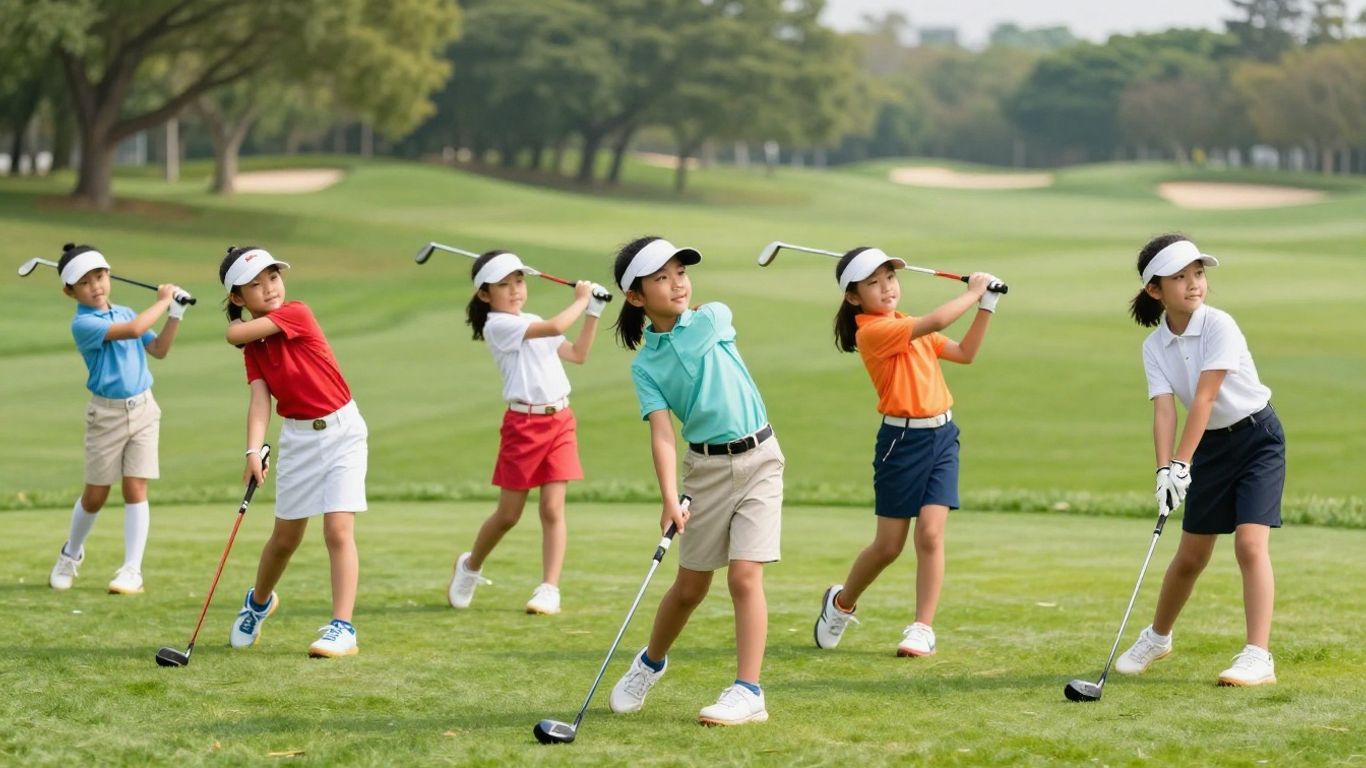
Getting young ones into golf can be a blast, and having the right gear makes all the difference. It’s not just about grabbing any old club; for kids, the best golf clubs for kids are designed with them in mind. We're talking about clubs that are lighter, shorter, and easier for them to swing. This helps them learn the game without getting frustrated. Let's check out what makes a good set for your budding golfer.
Key Takeaways
Choosing the right golf clubs for kids is super important for their enjoyment and learning process.
Make sure the clubs fit your child's height and age – too long or too heavy is a no-go.
Lighter clubs and smaller grips help kids swing better and feel more confident.
Different age groups have specific needs, so look for sets tailored to them.
Focus on clubs that make it easier for kids to hit the ball and have fun playing.
Why Choosing the Right Golf Clubs for Kids Matters
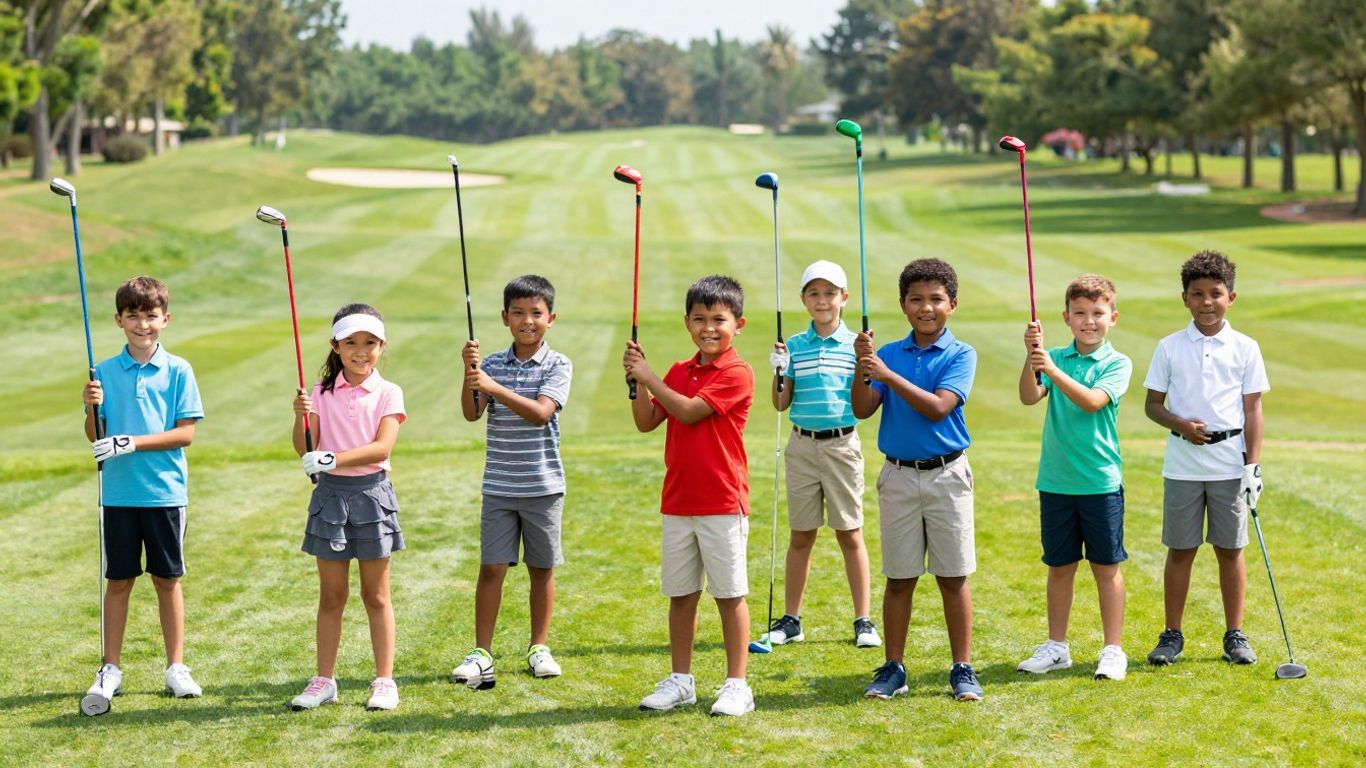
Alright, let's talk golf clubs for the little rippers. You might be thinking, 'How different can a kid's club be from mine?' Well, a lot, actually! Trying to teach a youngster the game with clubs that are too long, too heavy, or just plain wrong is like trying to teach a cat to bark – it's not going to end well, and someone's probably going to get scratched.
Using gear that fits is a game-changer for young golfers. When clubs are the right size and weight, kids can actually swing them properly. This means better contact with the ball, more consistent shots, and, dare I say it, actual fun! It builds confidence faster than a hole-in-one on the first tee. Plus, it helps them develop good habits from the get-go, which is way easier than trying to fix bad ones later.
Think about it:
Too Heavy: They'll struggle to swing, leading to awkward stances and maybe even a pulled muscle. Ouch.
Too Long: They'll have to adjust their stance awkwardly, often standing too far from the ball, which messes with their swing path.
Wrong Grip: A grip that's too big or too small makes it hard to hold the club correctly, leading to weak grips and uncontrolled swings.
Getting the right equipment, like these top golf clubs for children, isn't just about making them look like pros; it's about making the game accessible and enjoyable. It’s the difference between a kid who wants to play again next week and one who decides golf is just a weird game for old people.
When you hand a child clubs that are designed for them, you're not just giving them equipment; you're giving them a fair shot at learning and enjoying the sport. It’s about setting them up for success, one swing at a time.
Key Factors When Selecting Kids' Golf Clubs
So, you want to pick out golf clubs for your little slayer? Well, don't just grab the tiniest set you see at the store and call it a day. Kids need clubs that fit their body and skill level, not just something that'll look cute in your Insta story. Here’s what you need to know before you hit checkout—or bribe Uncle Gary to gift his old set to your kid again. If you’re reading junior golf equipment reviews, keep these points in mind:
Age and Height Appropriateness
Age matters, but height matters more. Some 6-year-olds are taller than your neighbor’s fence, others are still hiding under the kitchen table.
Club sets are usually labeled for age (like 3-5, 6-8, or 9-12) but check the recommended height range, too.
Proper fit helps your kid swing naturally without feeling like they’re wielding a medieval jousting stick.
Table: Typical Sizing for Kids' Golf Clubs
Age Range | Recommended Height | Typical Club Length |
|---|---|---|
3 – 5 | 36" – 44" | 22" – 27" |
6 – 8 | 45" – 52" | 28" – 32" |
9 – 12 | 53" – 60" | 31" – 37" |
Club Weight and Length
Let’s be honest—kids will swing anything, but only the right club will help them make actual contact with the ball (instead of the ground, air, or, occasionally, a bystander).
Lighter clubs = happier kids (and fewer complaints about tired arms).
Too long and they’ll end up doing a weird limbo move; too short and it’s basically an awkward shuffle.
Properly weighted clubs teach muscle memory and good form, which is, you know, kind of the point.
Grip Size and Material
Small hands need small grips! Or else, it’s like watching someone try to swing with oven mitts on.
Look for comfortable, softer materials—not too slick but not too tacky, either.
Easy-grip clubs help reduce those “oops, sorry!” moments when a club goes flying.
Clubhead Design and Loft
Bigger clubheads actually help with hitting the ball. Tiny clubheads on junior clubs make about as much sense as mini-golf windmills in the Masters.
More loft means it’s easier to get the ball up in the air, and kids love nothing more than watching their ball fly (preferably in the right direction).
Choose smart. The right club will make learning fun and keep your kid excited for the next round—not groaning about aching wrists or stubborn hooks.
When you’re reading junior golf equipment reviews, look for these details about fit, weight, grip, and clubhead. Your future golf superstar (and your sanity) will thank you!
Best Golf Club Sets for Different Age Groups
Wondering which youth golf set recommendations to trust for your little golf nut? Picking the right stick for the right age is more strategic than my last mini-golf outing (which ended up with me in the water hazard). Here’s how age-appropriate golf clubs for kids can tee up success for every swing and miss. Trust me, beginner golf clubs for young players aren't one-size-fits-all—unless you want a lot of frustrated kids chasing after the ball (and sometimes their clubs).
Ages 3-5: The Tiny Tot Set
These pint-sized prodigies need ultra-light clubs that make golf more giggle than grumpy. Here’s what matters most:
Extra-short shafts with big, friendly clubheads
Soft, squishy grips sized for tiny hands
Bright colors—because everything for kids this age is neon, apparently
Quick Tip Table:
Age | Set Recommendation | Typical Pieces | Average Cost |
|---|---|---|---|
3-5 | Little Tikes Tot Golf | 3-5 | $50 - $85 |
3-5 | US Kids Yard Club | 1-2 | $30 - $50 |
With these sets, even a wild swing might make contact—bonus points if everyone stays upright.
Ages 6-8: The Junior Golfer
As motor skills level up and attention spans almost exist, this group is ready for more:
Lightweight graphite shafts and slightly longer clubs
Flexible club choices (driver, iron, putter—no fairways yet, no problem)
Adjustable bag straps for backs that still complain (adults aren’t the only ones, trust me)
Recommended Sets:
Callaway XJ Junior Set (successfully survives playground roughhousing)
Wilson Profile JGI Junior (extra forgiving!
Precise X7 Junior (bright colors for style points)
Ages 9-12: The Aspiring Pro
You’ve got a golfer who wants to outdrive their parents—watch out! Clubs should be more responsive but still friendly for newbies.
More complete sets (can include fairway woods, hybrids)
Customizable length or loft for those growth spurts
Realistic grip sizes so they don’t feel like holding a pool noodle
Comparison Table:
Brand | Clubs Included | Shaft Type | Suitability |
|---|---|---|---|
Top Flite Junior | 7-Piece Set | Graphite/Steel | Beginner-Int. |
Tour Edge Bazooka | 5-Piece Set | Ultralite Graphite | Beginner |
US Kids Ultralight | 4 or 6-Piece Set | Ultralight Graphite | All Levels |
Picking the right set saves arguments, broken clubs, and lets everyone get to the fun part—smacking that ball and maybe even hitting the fairway. Junior golf is wild enough. The equipment shouldn’t make it wilder.
Individual Club Recommendations for Young Slayers
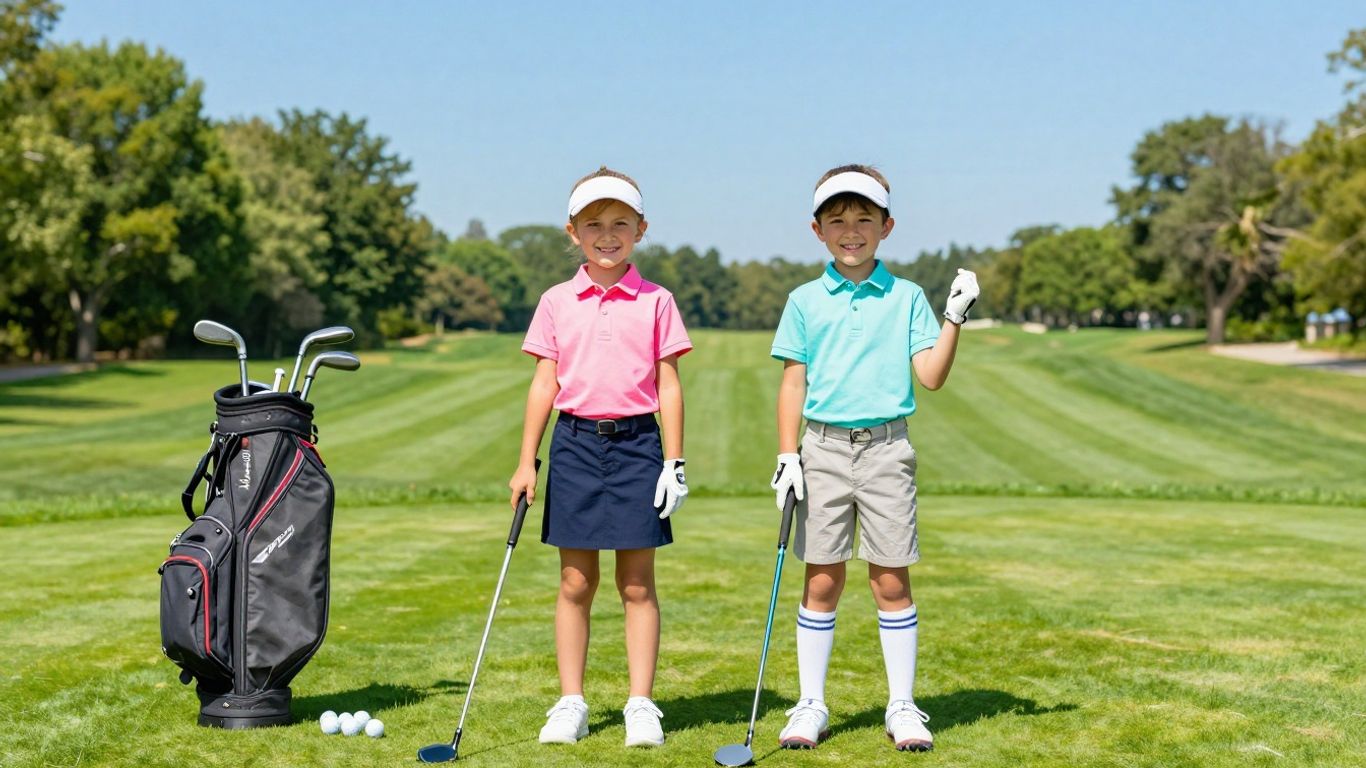
Alright, so we've talked about why the right clubs matter and what to look for. Now, let's get down to the nitty-gritty: which specific clubs should your little golf phenom be swinging? It's not just about grabbing any old club; it's about finding the perfect match for their developing game. Think of it like picking out the right superhero sidekick – you want one that's got the right tools for the job, not one that's going to trip over its own cape.
When you're looking at individual clubs, especially drivers and irons, think about what makes them different. Drivers are all about getting that ball soaring, and for kids, that means a club that's forgiving and easy to get airborne. Irons are more about control and accuracy. For younger kids, a hybrid club can be a real game-changer, acting like a super-powered iron that's way easier to hit.
Here's a quick rundown of what to keep an eye out for:
Driver: Look for a larger clubhead with a bit more loft. This helps get the ball up in the air more easily, which is key when you're not generating a ton of power yet. A lighter shaft is also a big plus.
Fairway Woods/Hybrids: These are great for longer shots when the driver isn't quite cutting it. Hybrids, in particular, are fantastic because they combine the distance of a wood with the ease of an iron. They're way less intimidating than a traditional fairway wood for a junior golfer.
Irons: For younger players, starting with a few key irons like a 7-iron, 9-iron, and a pitching wedge is usually plenty. Look for clubs with a wide sole, which helps the club glide through the grass instead of digging in. This makes those off-center hits much more forgiving.
Putter: This is where the magic happens (or doesn't!). A putter that feels good in their hands and has a clear alignment aid can make a world of difference. Some kids prefer a mallet style, others a blade. Let them try a few out!
Remember, the goal here isn't to replicate a pro's bag. It's about building confidence and making the game fun. If a club feels too heavy, too long, or just plain awkward, it's going to be a struggle. Focus on clubs that are designed for junior golfers, with lighter materials and more forgiving designs. That's how you turn a potential frustration into a fairway find.
Don't get too hung up on brand names initially. While some brands make fantastic junior clubs, the most important thing is how the club fits your child. If you can, take them to a golf shop and let them hold a few different clubs. See what feels right. Sometimes, a club that looks a bit different but feels great in their hands is the best choice. It's all about getting them excited to step up to the tee and give it their best shot!
Tips for Introducing Kids to Golf
Alright, so you've got the tiny titans geared up with their own set of clubs – awesome! Now, how do you actually get them to swing without them thinking it's just another chore? First off, keep it super chill. Think less 'Tiger Woods in the making' and more 'let's just whack this ball around'. A quick trip to the driving range, maybe just hitting a bucket of balls, is way better than trying to play a full 18 holes on day one. You want them to associate golf with fun, not frustration.
Make it a game. Seriously, turn everything into a competition, even if it's just against themselves. Who can hit the ball closest to that tree? Can you get it over that little hill? Little challenges keep their attention way longer than just aiming for the green. And don't forget snacks. Golf is serious business, and serious business requires fuel. A good snack break can save a meltdown.
Here’s a quick rundown of what makes a golf outing a win for the little ones:
Keep sessions short and sweet. Think 30-60 minutes max. Attention spans are shorter than a chip shot.
Focus on the fun, not the score. Celebrate effort, not just perfect swings.
Let them lead. If they want to try putting with a driver, let 'em! It's their adventure.
Bring friends! Golf is more fun with buddies, even if they're just running around the cart path.
Remember, the goal here isn't to create the next golf prodigy overnight. It's about planting a seed of enjoyment. If they have a blast, they'll want to do it again. If it feels like homework, well, good luck getting them back on the course.
Don't be afraid to mix it up. Maybe one day it's just hitting balls, the next it's a mini-golf course, or even just practicing putting in the backyard. Variety keeps things fresh. And when they do something cool, like a decent hit or a putt that actually goes in, go wild with the praise. Positive reinforcement goes a long way, folks. You're building memories here, not just golf swings. For more on how kids develop their interests, check out how children choose their own sports [881a]. It’s all about letting them find their own path.
So, Go Forth and Swing!
Alright, future golf legends, we've talked sticks, we've talked swings, and we've probably talked more about plastic than a recycling plant. Remember, the goal here isn't to turn your little one into the next Tiger Woods overnight (though, hey, stranger things have happened). It's about getting them out there, having a blast, and maybe, just maybe, not losing too many balls in the woods on the first try. So grab some gear, hit the driving range, or just find a nice open field. Who knows, you might even get a few decent shots out of them. And if not? Well, at least you'll have some funny stories for the clubhouse later. Now go make some birdies... or at least some bogeys!
Frequently Asked Questions
Why is it important to get the right golf clubs for kids?
Using clubs that are the right size and weight makes learning golf much easier and more fun. If clubs are too long, too heavy, or just awkward, kids can get frustrated quickly. The right gear helps them swing properly, hit the ball better, and build confidence, which is super important when they're just starting out.
How do I know if a club is the right length for my child?
A good rule of thumb is that the club should come up to about your child's wrist when they're standing up straight and holding the club by their side. If it's way too long or too short, it will mess up their swing. Many kids' clubs are designed with specific height ranges in mind, so check those recommendations.
Should I buy a full set of clubs or just a few to start?
For very young beginners, starting with just a few clubs like a driver, a wedge, and a putter is often best. As they get older and more serious about the game, a more complete set makes sense. Full sets are convenient, but don't feel like you need to buy everything at once if your child is just exploring the sport.
What's the difference between clubs for different age groups?
Clubs for younger kids are generally shorter, lighter, and have more flexible shafts to help them swing easier. As kids get older and stronger, the clubs get longer and a bit heavier, with shafts that are less flexible. The sets are designed to match their growing bodies and developing swing.
Are 'junior' clubs really that different from adult clubs?
Yes, they are! Junior clubs are specifically made for kids. They're shorter, lighter, and have softer, more flexible shafts. This makes it easier for young golfers to get the club head speed they need to hit the ball well. Adult clubs would be way too heavy and long for most kids.
How much should I expect to spend on kids' golf clubs?
Prices can vary a lot. You can find basic starter sets for under $100, while more comprehensive sets from well-known brands might cost a few hundred dollars. It's often a good idea to start with a more affordable set, especially if your child is still very young or just trying golf out. You can always upgrade later.