

So, you're wondering how often your junior golfer should be hitting the links? It's a question many parents ask, and honestly, there's no one-size-fits-all answer. We all want our kids to improve, right? But how much practice is actually enough to see real progress without burning them out? Let's break down what works for different ages and skill levels, and talk about making practice time count.
Key Takeaways
How often should junior golfers practice? It depends on their age, skill level, and goals. Beginners might need 3-5 hours a week, intermediates 5-7 hours, and advanced players 8-12+ hours.
For younger kids (6-10), focus on fun and short game skills like chipping and putting, maybe 2 hours a day, 70% on short game.
As they get older (11-14), increase practice time to 3-4 hours daily, still emphasizing short game and adding more target practice.
Quality matters more than just hitting balls. Make sure practice sessions are focused on specific skills and are engaging, not just long and boring.
It's important to balance golf with school, other hobbies, and family time to prevent burnout and ensure a well-rounded experience for the junior golfer.
Understanding the Factors Influencing Practice Frequency

Alright, let's talk about how much time junior golfers should actually be spending on the golf course, or, you know, pretending to be on the golf course. It's not a one-size-fits-all situation, folks. Think of it like trying to figure out how much pizza is 'enough' for a party – it really depends on who's showing up and how hungry they are.
Age and Skill Level
This is a biggie. A 7-year-old just learning to swing a club isn't going to have the same practice needs as a 16-year-old who's already dreaming of college golf scholarships. Younger kids, bless their hearts, have shorter attention spans and might get more out of shorter, more frequent sessions. It's like giving them little bursts of golf goodness. On the flip side, older, more serious players might need longer, more focused sessions to really dig into the nitty-gritty of their game. Trying to get a beginner to practice for three hours straight is like asking a squirrel to sit still during a nut convention – not gonna happen.
Here's a rough idea, but remember, this is more of a guideline than a strict rule:
Beginner Juniors (Ages 6-10): Think 1-2 sessions per week, maybe 30-60 minutes each. Focus on fun, basic movements, and not getting too many balls in the woods.
Intermediate Juniors (Ages 11-14): They can probably handle a bit more. Maybe 2-3 sessions per week, 60-90 minutes each. Time to start working on specific shots and understanding the game a little better.
Advanced Juniors (Ages 15+): If they're serious, this is where it gets intense. 3-5 sessions per week, potentially longer, with a mix of range time, course play, and dedicated short game work.
Goals and Aspirations
So, what's the end game here? Is your junior golfer just looking to have some fun with friends on a Saturday, or are they aiming to be the next big thing on the PGA Tour? The more serious the ambition, the more serious the practice needs to be. If the goal is just to enjoy the game and maybe not embarrass themselves too badly at the family scramble, a couple of casual sessions a week might be plenty. But if they're eyeing up junior tournaments, state championships, or even college golf, then the practice schedule needs to ramp up significantly. It's like training for a marathon versus training for a casual jog around the block – the effort is just different.
Trying to improve without a clear goal is like trying to hit a golf ball without a club. You might swing, but you're not likely to get anywhere meaningful.
Available Time and Resources
Let's be real, life happens. Between school, homework, other sports, family commitments, and, you know, actually having a social life, finding time for golf practice can be a challenge. Plus, not everyone has a golf course in their backyard or an unlimited budget for lessons and range balls. You've got to be practical. A super ambitious practice schedule is useless if it's completely unrealistic given the family's schedule or financial situation. It's better to have a consistent, manageable practice plan that can actually be followed than an overly ambitious one that gets abandoned after a week. Think about what's genuinely feasible. Can you swing it? Can the junior golfer swing it? If the answer is 'barely,' then maybe dial it back a notch.
Recommended Practice Schedules for Junior Golfers
Choosing the best golf practice schedule for juniors can be like picking toppings at an ice cream shop—there are too many options, and every kid will have a different favorite. So, let's break down the junior golfer practice frequency for different ages and skill levels. Ready? Grab your (metaphorical) golf bag and let’s map it all out.
Beginner Junior Golfers (Ages 6-10)
For young kids just starting, the goal is to keep things light and fun—think less drill sergeant, more camp counselor.
1-2 sessions per week, 45-60 minutes each
Mix in games and friendly competitions
Focus on basics: grip, stance, and short game (chipping/putting)
Don’t worry about the swing looking like Tiger’s yet—coordination and enjoyment matter more right now
Here’s a sample beginner schedule:
Activity Type | Minutes per Session | Frequency per Week |
|---|---|---|
Chipping/Putting | 25 | 2 |
Full Swing | 20 | 2 |
Fun Games | 15 | 1-2 |
Chances are, your 7-year-old isn’t dreaming up optimal golf training for kids, so it’s up to you to make sure practice is something they look forward to, not dread.
Intermediate Junior Golfers (Ages 11-14)
Kids start getting more serious now—or at least, they think they do. If they’re not busy rewatching trick shot videos online, try this:
2-3 sessions per week, up to 90 minutes
60% short game; 40% full swing and strategy
Add some competition, but keep it friendly
Look into practicing with buddies or even joining youth golf leagues
List of youth golf practice tips for the tweens:
Keep each session focused—try setting one mini-goal.
Slightly longer practice, but add breaks for snacks or socializing.
Encourage tracking progress (because who doesn’t like stickers or bragging rights?).
Advanced Junior Golfers (Ages 15+)
By this age, they might be out-practicing their parents and running through rounds of how much golf practice for young players is “enough.” Here’s what the optimal schedule can look like:
4-6 practice sessions per week, 2-3 hours each
About 70% short game and putting, 30% full swing and play situations
Mix in course strategy, mental practice, tournament prep
Solo sessions plus group or coach-led practices
Here’s a sample table for advanced junior golfer practice frequency:
Practice Focus | Hours per Week |
|---|---|
Short Game | 8-10 |
Full Swing | 3-5 |
Practice Rounds | 3-5 |
Yes, this seems like a lot. But if academics and family come first, screw up the order and someone will remind you (loudly).
So, at every level, remember that the best golf practice schedule for juniors isn’t always “more.” Quality, fun, and variety are just as important. If your kid hates golf after all this, it’s time to bust out the soccer ball or the paint set—or maybe just get ice cream instead.
The Importance of Quality Over Quantity
Look, we all want to be the next Tiger Woods, right? Or at least, not the next guy who consistently three-putts from three feet. But here's the thing: just banging balls aimlessly on the driving range for hours isn't going to magically shave strokes off your game. It's like trying to learn a new language by just listening to random podcasts without ever trying to speak. You'll hear a lot, but you won't really get it.
Focusing on Specific Skills
Instead of just hitting until your arms fall off, think about what you're actually trying to improve. Are you topping your drives like they owe you money? Or maybe your short game looks like a squirrel burying nuts in a minefield? Targeted practice is where the magic happens. It’s about working smarter, not just harder. Think of it like this:
Putting: Spend 15 minutes just on lag putts, then another 15 on short, tricky ones. Don't just putt until you get bored.
Chipping: Practice different lies – uphill, downhill, sidehill. Try hitting different types of shots, not just the same old bump-and-run.
Driving: Instead of hitting 50 drivers, hit 20 and focus on your takeaway or your follow-through. Or maybe try hitting them to specific targets on the range.
Making Practice Fun and Engaging
Let's be real, golf can be a bit of a grind sometimes. Standing on a chilly driving range, hitting the same club over and over, can feel like homework. But it doesn't have to be! Think about turning practice into a game.
If you're not having fun, you're probably not going to stick with it. And if you don't stick with it, you won't get any better. It's a vicious cycle, and nobody wants that. Find ways to make it enjoyable, even if it's just a little bit.
Here are a few ideas:
Skills Challenges: Set up your own little contests. Who can hit the most fairways in a row? Or get closest to the pin from 100 yards?
Play a Course (Even Virtually): If you have access to a simulator or even a fun app, play a few holes. It adds a bit of pressure and makes it feel more like a real round.
Practice with a Buddy: Make it a social event. You can push each other, offer tips (if you're qualified, otherwise just cheer each other on!), and generally have a better time.
Remember, a focused hour of practice where you're really concentrating on improving one or two things is way better than three hours of just going through the motions. Your scorecard will thank you.
Balancing Golf with Other Activities
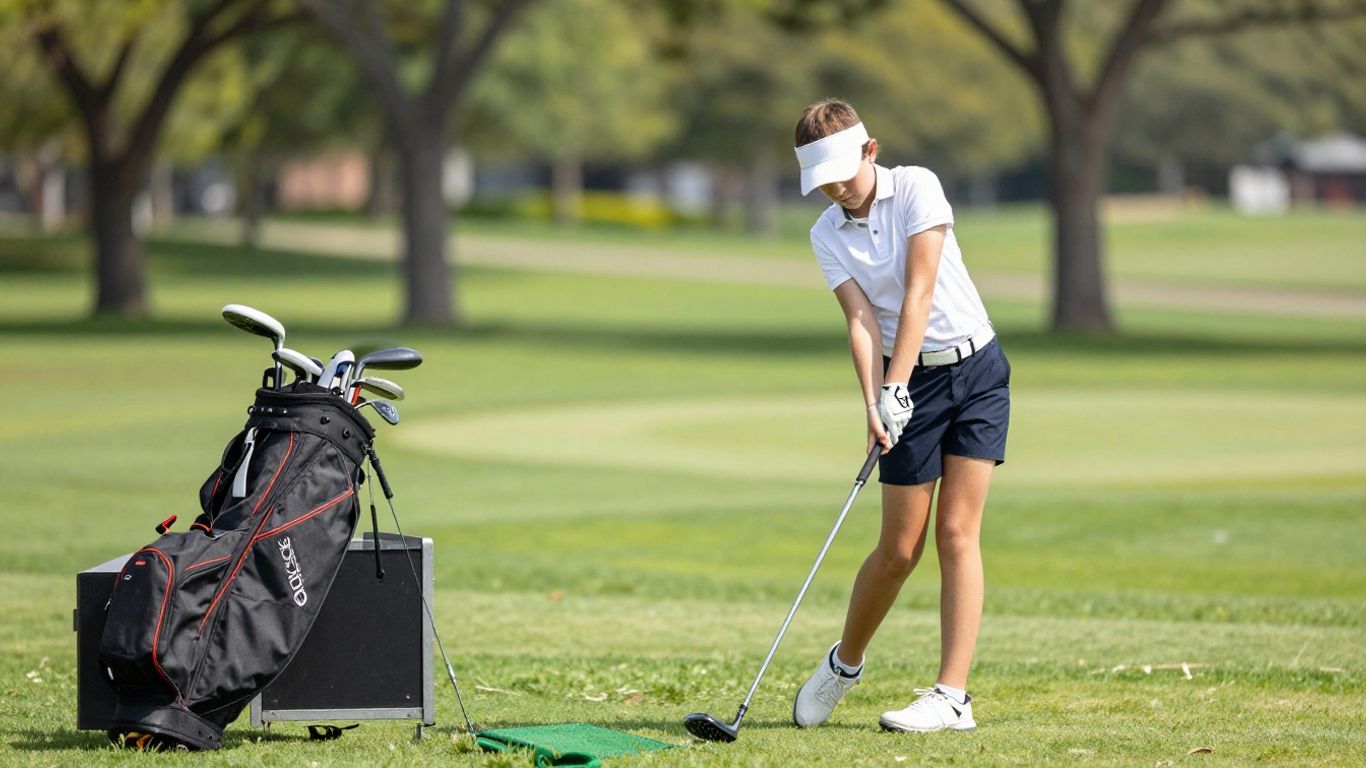
Look, we all know golf is awesome. It's got the fresh air, the questionable fashion choices, and the sheer thrill of maybe, just maybe, not completely whiffing that chip shot. But here's the thing: your kid isn't a golf robot. They've got school, friends, maybe even a secret life as a competitive thumb wrestler. Trying to cram 10 hours of golf into a week while they're also supposed to be learning algebra and, you know, sleeping, is a recipe for disaster. Burnout is real, folks. It's like trying to eat an entire pizza by yourself – sounds great at first, but by slice seven, you're regretting all your life choices.
So, how do we keep the golf dream alive without turning our junior golfers into grumpy, sleep-deprived zombies? It's all about finding that sweet spot. Think of it like a golf bag: you need a driver for the long drives, a putter for the short game, and a sand wedge for when you inevitably find the beach. You can't just pack 14 drivers, right? Same goes for a kid's schedule.
Here’s a little something to chew on:
Schoolwork First, Golf Second: Seriously. That history test isn't going to ace itself. Make sure homework and studying are handled before hitting the links. A B- in math is way less embarrassing than a B- in golf, probably.
Embrace the 'Other' Activities: Soccer, piano lessons, building epic Lego castles – these aren't distractions; they're part of a well-rounded human. They teach teamwork, discipline, and the ability to follow instructions (which, let's be honest, is sometimes harder than a tricky putt).
Family Time is Non-Negotiable: Remember those people you live with? They're important too. Schedule in movie nights, trips to the park, or just sitting around doing nothing together. It's the glue that holds everything together, and it prevents golf from becoming the only thing your kid talks about (which, trust me, gets old fast).
The goal here isn't to make your child a golf prodigy by age 12. It's to help them develop a love for the game that lasts a lifetime, while also growing into a happy, healthy, and reasonably well-adjusted human being. If they're having fun and not completely overwhelmed, you're doing it right. And hey, if they happen to win the Masters someday, that's just a bonus.
Think of it this way: a kid who plays multiple sports often develops better coordination and a competitive spirit that actually helps their golf game. Plus, it gives them different things to talk about besides their handicap. So, let them play, let them learn, and let them have a life outside the ropes. It’s the best way to keep them swinging for years to come.
So, How Much Practice is Enough? Enough to Not Be Terrible, Probably.
Look, nobody's saying you need to become a golf hermit, sacrificing sleep and social life for the sake of a lower handicap. Unless you're aiming for the PGA Tour, which, let's be real, probably isn't happening if you're reading this. The main takeaway is that some consistent, focused practice is way better than hitting a bucket of balls once a month and then wondering why your game looks like a toddler's finger painting. Find a rhythm that works for you, mix in some fun, and maybe, just maybe, you'll stop embarrassing yourself on the back nine. Now go practice... or don't. Your slice, your problem.
Frequently Asked Questions
How many hours a week should a beginner junior golfer practice?
For young golfers just starting out, aiming for about 3 to 5 hours of practice each week is usually a good starting point. This time should be focused on learning the basics like hitting the ball consistently, controlling wedges, and getting a feel for putting. It's all about building a solid foundation without getting overwhelmed.
What's more important for junior golfers: lots of practice or good quality practice?
Quality is definitely more important than just spending hours hitting balls. It's better to have shorter practice sessions that are focused on specific skills, like working on your short game or practicing putts from a certain distance. Making practice fun and engaging keeps you motivated and helps you learn more effectively.
How much practice time is recommended for intermediate junior golfers (ages 11-14)?
As golfers get a bit older and more skilled, around 5 to 7 hours of practice per week is a great target. This age group should focus on making their full swing more reliable, practicing different types of shots from various spots on the course, and getting better at putting from different distances. Playing practice rounds where every shot counts is also really helpful.
Should junior golfers balance golf with other activities?
Absolutely! It's super important for junior golfers to have a good balance between golf, school, other hobbies, and family time. Trying to do too much can lead to burnout. Making sure there's time for everything helps create a well-rounded experience and keeps golf enjoyable.
How much practice do advanced junior golfers (ages 15+) need?
For serious junior golfers aiming for high levels, 8 to 12 hours or more of practice per week is often necessary. This time needs to be smart and focused, including lots of work on scoring clubs, shot shaping, and practicing under pressure. Tracking stats and using data from tools like launch monitors can also be very beneficial at this stage.
What are the main challenges junior golfers face with practice, especially during certain times of the year?
A big challenge is fitting in practice when life gets busy, especially with shorter daylight hours in the evenings and unpredictable weather like rain or cold. This is where indoor facilities can be a game-changer, offering a consistent place to practice year-round, no matter what's happening outside.