
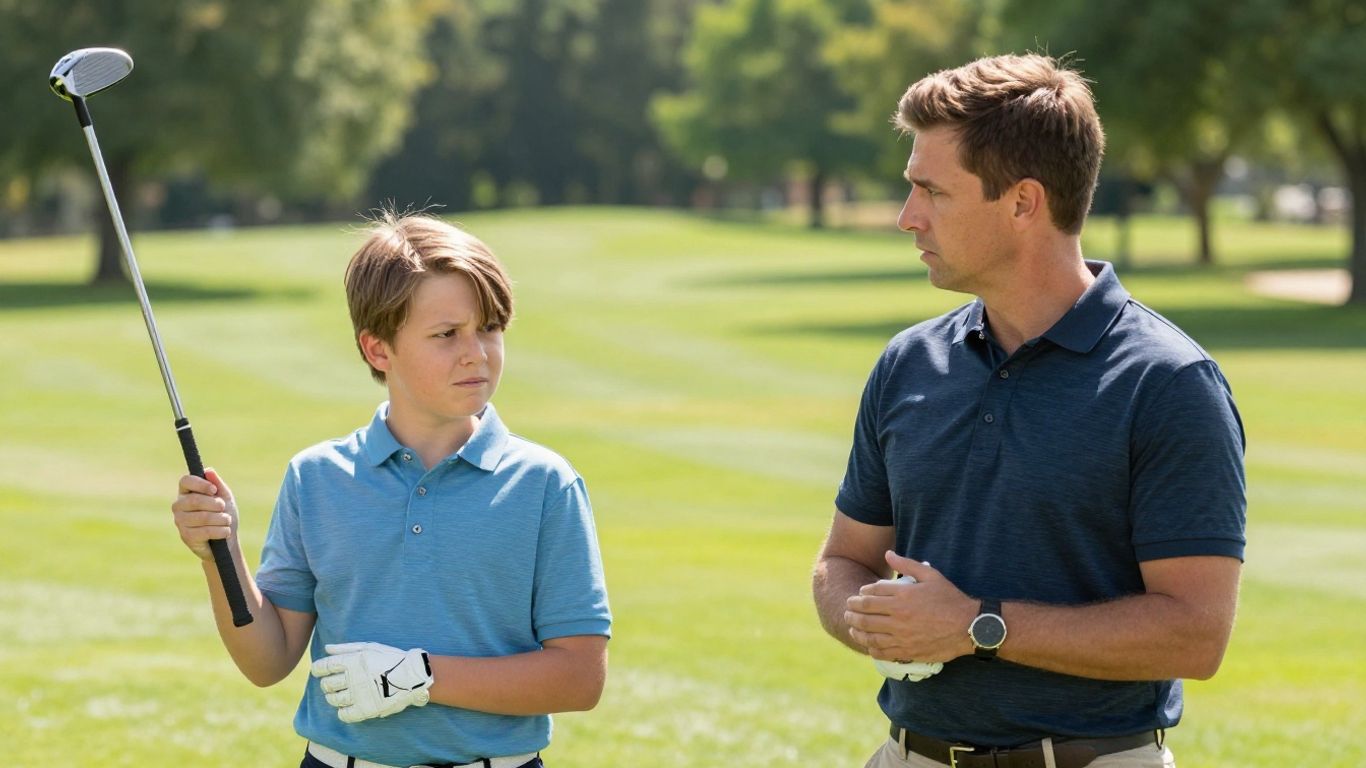
So, your kid is getting into golf. That's awesome! You want to support them, right? Of course you do. But sometimes, wanting to help too much can actually get in the way. There's a common pitfall that many parents new to junior golf fall into, and it's probably not what you think. It's easy to get caught up in the details, but let's break down what really matters when your young golfer is just starting out. The #1 Mistake New Junior Golf Parents Make is all about keeping things simple and fun.
Key Takeaways
It's not about you showing off what you know. Focus on your child learning and having fun.
Let them swing the club and hit the ball first. Worry about grip and stance later, if at all.
Keep lessons short and don't be afraid to stop if they aren't getting it. It's okay for them to make mistakes.
Let their natural instincts guide them. Don't force them into uncomfortable positions right away.
Celebrate small wins. Getting the ball airborne is a huge deal when starting out.
1. Golf Club
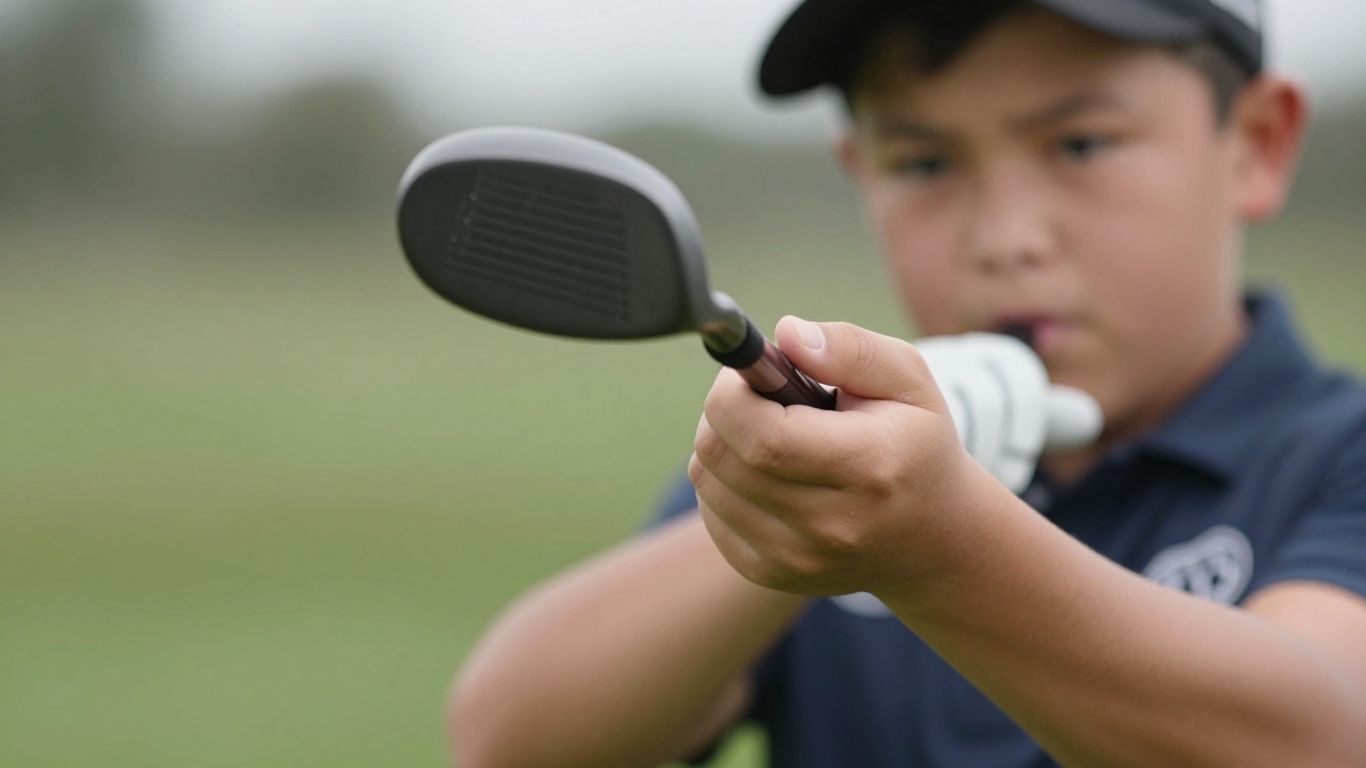
When you're starting out in golf, especially with juniors, the golf club itself can feel like a big, complicated thing. It's not just about picking up any old stick; the right club makes a difference. For young golfers, you don't need a full set of fancy clubs right away. Often, a single, versatile club is all that's needed to get started and learn the basics.
The biggest mistake parents make is overwhelming their junior golfer with too much equipment or too much information about the club. Think about it: a child is just trying to figure out how to swing and make contact. Bombarding them with details about loft, lie angle, or shaft flex is usually way too much. Focus on the fundamentals of making contact first.
Here's a simple way to think about the club for a beginner:
Simplicity is Key: Start with one club. A shorter, lighter club is easier for a junior to handle than a full-sized adult club.
Versatility Matters: A mid-iron, like a 7-iron or 8-iron, is often a good choice. It's not too long, not too short, and can be used for different types of shots as they progress.
Focus on Feel: Encourage your child to feel the weight of the club and how it moves. It's more about the motion and making contact than hitting it perfectly.
Trying to teach a junior golfer about the intricacies of club technology before they can even make consistent contact is like trying to teach calculus before they know basic addition. It's just not the right time. Keep it simple and focus on the action of swinging and hitting the ball.
2. Foam Block
Sometimes, the simplest tools make the biggest difference, especially when a junior golfer is just starting out. A foam block, often used in teaching, can be a game-changer. Instead of focusing on the complex mechanics of hitting a small golf ball, a larger, softer foam block provides a much easier target. This allows the young player to concentrate on the basic motion of swinging the club and making contact. The goal here is to build confidence and a feel for the swing, not to achieve a perfect strike on a tiny ball.
Using a foam block can help a child:
Develop a sense of rhythm and timing in their swing.
Practice making solid contact without the frustration of missing.
Understand the feeling of transferring energy through the swing.
Build confidence by experiencing success with each swing.
This approach shifts the focus from the outcome (hitting the ball well) to the process (swinging the club). It's about letting the child learn through doing, rather than overwhelming them with technical instructions right away. Think of it as learning to walk before you can run; the foam block is the safe, stable ground.
When a junior golfer is struggling to make contact, it's easy for them to get discouraged. Instead of pushing them harder with more complex advice, sometimes stepping back and simplifying the task is the best way forward. A foam block offers a forgiving target that allows for immediate feedback and a sense of accomplishment, which is incredibly important for young learners.
3. Golf Ball
When you first start out in golf, the ball itself can seem like a pretty simple thing. It's white, it's round, and you hit it. But there's actually a lot to consider, especially for junior golfers. The biggest mistake parents make here isn't necessarily buying the wrong ball, but focusing on it too early or too much. Junior golfers don't need the same high-performance balls that pros use. In fact, those might even make it harder for them to learn.
Think about it: a ball designed for maximum distance and spin control requires a certain swing speed and technique to get the most out of it. For a beginner, this can lead to frustration. They might not be able to get the ball airborne, or they might hit it inconsistently. It's like trying to drive a race car before you know how to steer.
For junior golfers, the focus should be on making contact and developing a feel for the game, not on the ball's specifications. Simpler, softer balls are often a better choice. They're more forgiving on off-center hits and can help build confidence. Some balls are even designed with lower compression, meaning they're easier to hit. You don't need to spend a lot of money on fancy balls when a basic, affordable option will do the job just fine.
Here's a quick rundown of what to think about:
Compression: Lower compression balls are softer and easier to hit for slower swing speeds.
Distance: Some balls are designed to travel further, but this isn't the priority for beginners.
Spin: Balls with less spin can be easier to control for new players.
Durability: Juniors can go through a lot of balls, so durability and cost are important factors.
The goal at this stage is to get the ball in play and build a positive association with the game. Overcomplicating things with advanced equipment can actually hinder progress. Let them hit something first, then worry about the specifics.
Don't get caught up in the marketing jargon. For a young golfer just starting, a standard, affordable golf ball is perfectly adequate. The real magic happens when they start making solid contact, and that's where the coaching and practice should be focused.
4. Driver
When it comes to junior golf, the driver can be a bit of a tricky club. It's the longest club in the bag, and for a young golfer, it can feel pretty intimidating. The goal here isn't to have your child hitting it 200 yards like the pros. It's about getting them comfortable with the motion and making solid contact. Focus on the swing itself, not just the outcome.
Think about it this way: when a kid is learning to ride a bike, you don't expect them to do a wheelie on the first try. You focus on them pedaling and staying upright. Golf is similar. For a beginner, just getting the ball airborne with the driver is a massive win. Don't overload them with technical advice about weight transfer or the perfect swing plane right away. That can come later, much later.
Here are a few things to keep in mind when your junior golfer is swinging the driver:
Keep it simple: Focus on a smooth, controlled swing. Think about swinging the club, not just hitting the ball.
Celebrate small victories: Did they make good contact? Did the ball go forward? That's progress!
Let them experiment: Kids often have natural ways of doing things. Unless it's causing a real problem, let them figure out what feels right for them. Trying to force a specific technique too early can be counterproductive.
It's easy for parents to get caught up in wanting their child to perform well, but remember, this is about their journey. Supporting their interest in the sport is key, and that means letting them learn at their own pace. If they're showing a real passion for golf, that's fantastic, and you should definitely support that endeavor their journey.
The driver is often the first club a junior golfer wants to try, and it's understandable why. It looks powerful and exciting. However, the emphasis for young players should be on developing a repeatable motion and building confidence, rather than achieving maximum distance. A good swing starts with a good feel, and that's best developed through practice and positive reinforcement, not excessive instruction.
5. Putter
When it comes to junior golf, the putter often gets overlooked. Parents might focus heavily on the full swing, thinking that's where the game is won or lost. But honestly, a huge chunk of strokes happen on the green. Getting comfortable with the putter early on is super important for a young golfer's confidence and score. It's not just about hitting the ball; it's about learning distance control and reading the greens, even if it's just a few feet at first.
Think about it: a missed short putt can be more frustrating than a slice off the tee. For beginners, the goal isn't a perfect stroke right away. It's about making contact and getting the ball rolling towards the hole. We want them to feel like they can actually do something on the green, not just stare at it.
Here are a few things to keep in mind with the putter:
Keep it simple: Don't overload them with complex putting theories. Focus on making solid contact and getting the ball to the hole.
Practice short putts: Start with putts of just a few feet. Success here builds confidence for longer ones.
Make it fun: Use games or challenges to keep practice engaging. Maybe see who can make five putts in a row from a short distance.
Early instruction in putting can really make a difference. It helps build good habits and shows kids that scoring well is achievable. This foundational skill development is key for aspiring young players who want to improve their game on the course.
The focus with a junior golfer and the putter should be on making consistent contact and developing a feel for distance. Overcomplicating it with too much technical instruction too soon can be counterproductive. Let them explore and learn what feels right for them.
6. Iron
When junior golfers are starting out, the iron might seem like a complicated piece of equipment. It's not a driver, it's not a putter, and it's definitely not a wedge. So, what exactly is it for?
An iron is designed for shots of varying distances, typically from the fairway or light rough. They have a more compact clubhead than a driver and a lofted face, which helps get the ball up in the air. For young players, understanding the different types of irons and when to use them can be a bit much at first. It's more important for them to just get comfortable swinging the club and making contact.
Here's a quick rundown of what irons generally do:
Long Irons (e.g., 3, 4, 5): These have less loft and are used for longer shots. They can be trickier for beginners to hit consistently.
Mid Irons (e.g., 6, 7, 8): These are the workhorses of the bag, offering a good balance of distance and control for many shots.
Short Irons (e.g., 9, Pitching Wedge): These have more loft and are used for shorter, more precise shots where getting the ball up quickly is key.
For junior golfers, focusing on hitting the ball solidly with any iron is the primary goal. Don't get bogged down in the specifics of loft angles or swing planes right away. The goal is to build confidence and make solid contact. As they progress, they'll naturally start to understand the nuances of each iron. It's about letting them learn through experience, rather than overwhelming them with technical details. Remember, patience is key when helping your child learn golf.
It's easy for parents to want to correct every little thing, but sometimes, letting the child figure things out on their own leads to better learning. If they're making contact and the ball is moving forward, that's a win. Trying to fix too much too soon can actually hinder their progress and enjoyment.
7. Wedge
When it comes to wedges, most junior golfers don't need a whole bag full. Seriously, think about what a wedge is actually used for. It's for those shorter shots around the green, right? Like chipping or getting out of a sand trap. For a beginner, having one or two versatile wedges is plenty. Maybe a sand wedge and a pitching wedge. That's usually enough to get started.
Trying to teach a junior golfer all the different types of wedges and when to use each one is often too much information too soon. It's better to focus on the basics of hitting the ball first. Once they get a feel for the game, then you can introduce more specialized clubs.
Here's a simple breakdown:
Pitching Wedge (PW): This is typically the highest-lofted iron in a standard set. It's good for full shots from closer distances and for chipping.
Sand Wedge (SW): Designed with a wider sole and more bounce, this club is great for getting out of sand traps and for chips around the green.
Lob Wedge (LW): This has the most loft, used for high, soft shots that stop quickly. Most beginners won't need this right away.
For young golfers, the goal is to make the game fun and accessible. Overloading them with too many club options or complex explanations about loft and bounce angles can be counterproductive. Focus on getting them comfortable making contact and enjoying the process. The specific clubs can come later.
Don't get caught up in having your junior golfer carry a full set of wedges like the pros. It's just not necessary at this stage. Keep it simple and let them learn the game first.
8. Golf Glove
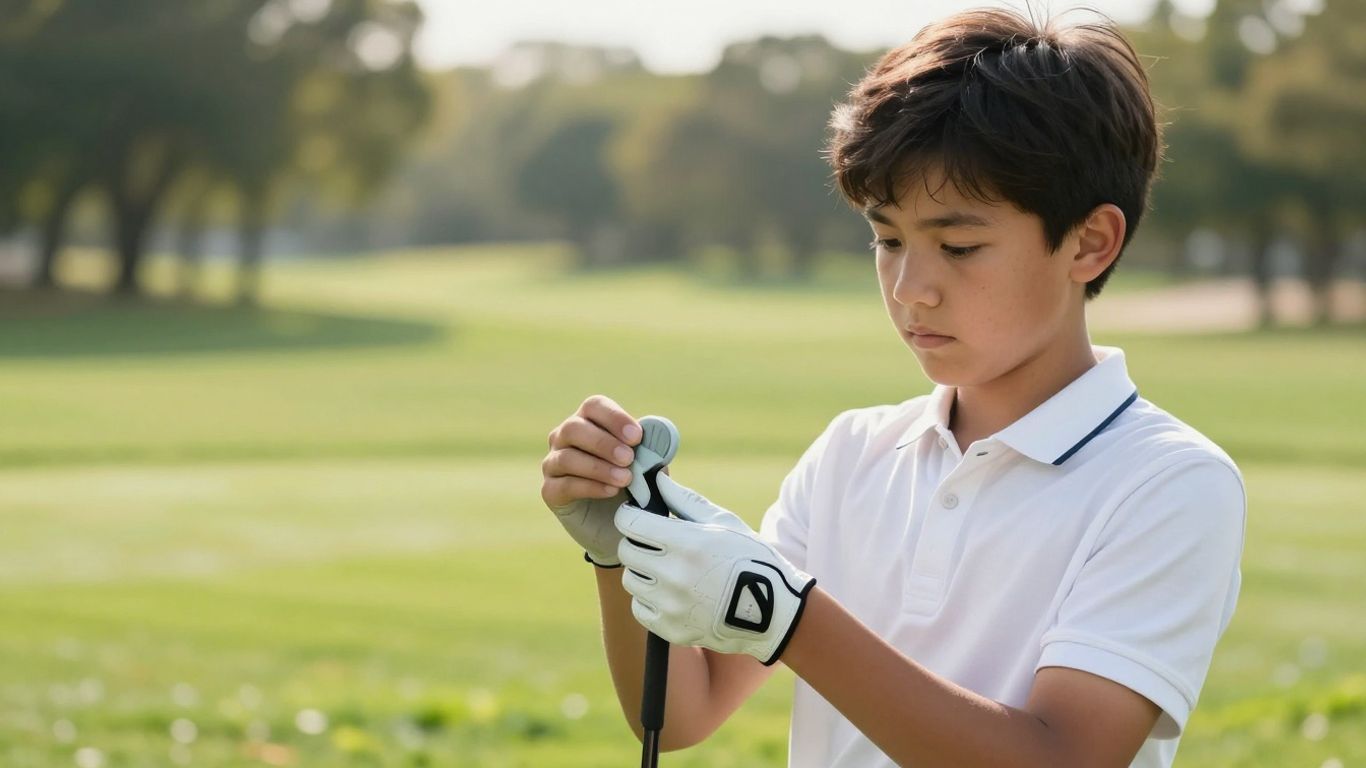
When junior golfers are starting out, the golf glove might seem like a small detail, but it actually plays a role in how they grip the club. It's not just about looking the part; a properly fitting glove can help a young player hold the club more comfortably and securely. This can make a difference in their ability to swing the club properly without the club slipping.
Getting the right size is key for comfort and control. Too tight, and it restricts movement; too loose, and it bunches up, causing blisters or a weak grip. For juniors, it's often about finding a glove that fits snugly across the palm and fingers without any extra material.
Here's a quick look at what to consider:
Material: Most junior gloves are made of synthetic leather or a combination of leather and synthetic materials. These are durable and offer good feel.
Fit: It should feel like a second skin. There shouldn't be much extra space in the palm or fingers.
Hand: Make sure you get a glove for the correct hand – right-handed players wear a glove on their left hand, and left-handed players wear it on their right.
Finding the right fit is important for their developing game. You can check out resources on how to measure for a glove to get a better idea of what works best.
Sometimes, especially with very young children, they might not need a glove at all. If they're just starting and struggling to even hold the club, forcing a glove on might add another layer of difficulty. It's worth observing how they naturally hold the club first. If they're comfortable and not slipping, maybe hold off on the glove for a bit. But as they progress and start swinging with more force, a glove can become quite helpful.
9. Tees
When you're just starting out in golf, especially with younger players, the humble tee can be a real game-changer. It lifts the ball off the ground, making that first contact with the club a lot easier. This simple step helps kids focus on the swing itself, rather than the tricky part of hitting a stationary ball perfectly from the turf. It’s a small thing, but it can make a big difference in building confidence early on.
Think about it: trying to hit a ball sitting on the grass can be tough even for experienced golfers. For a junior, it’s a significant hurdle. Using tees, even for shots where you might normally hit off the ground, lets them get the feel of making solid contact and sending the ball airborne. This is a great way to keep the game fun and less frustrating. You can find all sorts of tees out there, from basic wooden ones to plastic ones with different heights. For beginners, it's often best to start with tees that allow the ball to be positioned at a height where the clubface can easily strike the center of the ball.
Here are a few points to keep in mind about tees for junior golfers:
Height is Key: Adjust the tee height so that about half the ball is above the top of the club's head at address. This makes it easier to get the ball up in the air.
Material Matters: Wooden tees are common and break easily. Plastic tees are more durable and can be reused, which might be more economical in the long run.
Variety is Good: Experiment with different types of tees. Some have guides to help with consistent height, while others are designed for specific types of shots or conditions.
Don't get too caught up in the specifics of the tee itself. The main goal is to make it easier for the child to experience success and enjoy the process of learning to hit the ball. The tee is just a tool to help them get there.
Remember, the objective is to make golf accessible and enjoyable for juniors. Using tees correctly is a simple strategy that supports this goal, allowing them to focus on the fun of the game and build a positive association with learning golf.
10. Range Finder
Okay, so we've talked about clubs, balls, and all that gear. Now, let's touch on rangefinders. These gadgets can tell you how far away the flag is. For junior golfers, especially when they're just starting out, using a rangefinder might not be the best first step. It can actually take away from learning how to judge distances on their own, which is a pretty important skill in golf. Think about it: if you always have the answer handed to you, you don't really learn how to figure things out yourself.
Over-reliance on technology can slow down a junior golfer's ability to develop a feel for the game.
Here's why it's often better to hold off on the rangefinder for a while:
Developing Feel: Learning to estimate distances by looking at the course, the club in your hand, and your own swing is a skill that takes time to build. A rangefinder bypasses this learning process.
Understanding Course Management: Knowing how far it is to the green is only part of the equation. Juniors need to learn about hazards, slopes, and where to aim, not just the yardage.
Focus on Fundamentals: Early golf lessons should focus on the basics of hitting the ball, not on precise yardage calculations.
While a rangefinder can be a helpful tool for experienced golfers, it can become a crutch for developing players. The goal is to build a solid foundation of golf knowledge and feel, not just to get the number.
For younger players, it's often more beneficial to use simpler tools or even just their eyes and experience to gauge distances. As they get older and their game matures, a rangefinder can then be introduced as a way to fine-tune their approach.
Wrapping It Up
So, the big takeaway here is pretty simple: when you're helping a junior golfer, remember it's not about showing off what you know. It's about them learning and having fun. Try to keep things light, let them figure some stuff out on their own, and celebrate the small wins. Piling on too much advice at once usually just makes things confusing and less enjoyable. Focus on letting them swing the club and hit the ball, and trust that they'll get the hang of the finer points over time. It’s a marathon, not a sprint, and their journey in golf should be a positive one.
Frequently Asked Questions
What's the biggest mistake parents make when teaching their kids golf?
The main mistake parents make is trying to teach their child too much at once. Instead of focusing on the basics like swinging the club, they overload them with information about grip, stance, and complex techniques. It's better to keep it simple and fun, letting the child learn through experience rather than a lecture.
Should I correct my child's golf grip right away?
Not necessarily. In the early stages, the most important thing is for your child to swing the club and make contact with the ball. Sometimes, a 'wrong' grip might actually help them swing more easily at first. Focus on getting them to hit the ball before worrying about perfect form.
How long should a junior golf lesson be?
Keep the lessons short and sweet! It's better to stop after a few minutes if your child is losing focus or getting frustrated. A short, positive session is much more effective than a long, overwhelming one. Don't be afraid to end the lesson early if needed.
Is it okay for my child to make mistakes while learning golf?
Absolutely! Mistakes are a natural part of learning. If your child isn't getting something you're trying to teach, it's a sign to simplify or try a different approach, rather than pushing harder. Let them explore and figure things out.
Should I demonstrate golf techniques for my child?
Demonstrations aren't always necessary. Often, clear and simple words are enough. If you find yourself needing to demonstrate a complex move, you might be overcomplicating it. Remember, the focus should be on your child's learning, not on showing off your own skills.
How can I make learning golf fun for my child?
Make it a game! Use simple objectives, like hitting a foam block or just getting the ball in the air. Celebrate small wins, like making contact or hitting the ball a short distance. The goal is to build confidence and enjoyment, not to create a mini-professional overnight.