
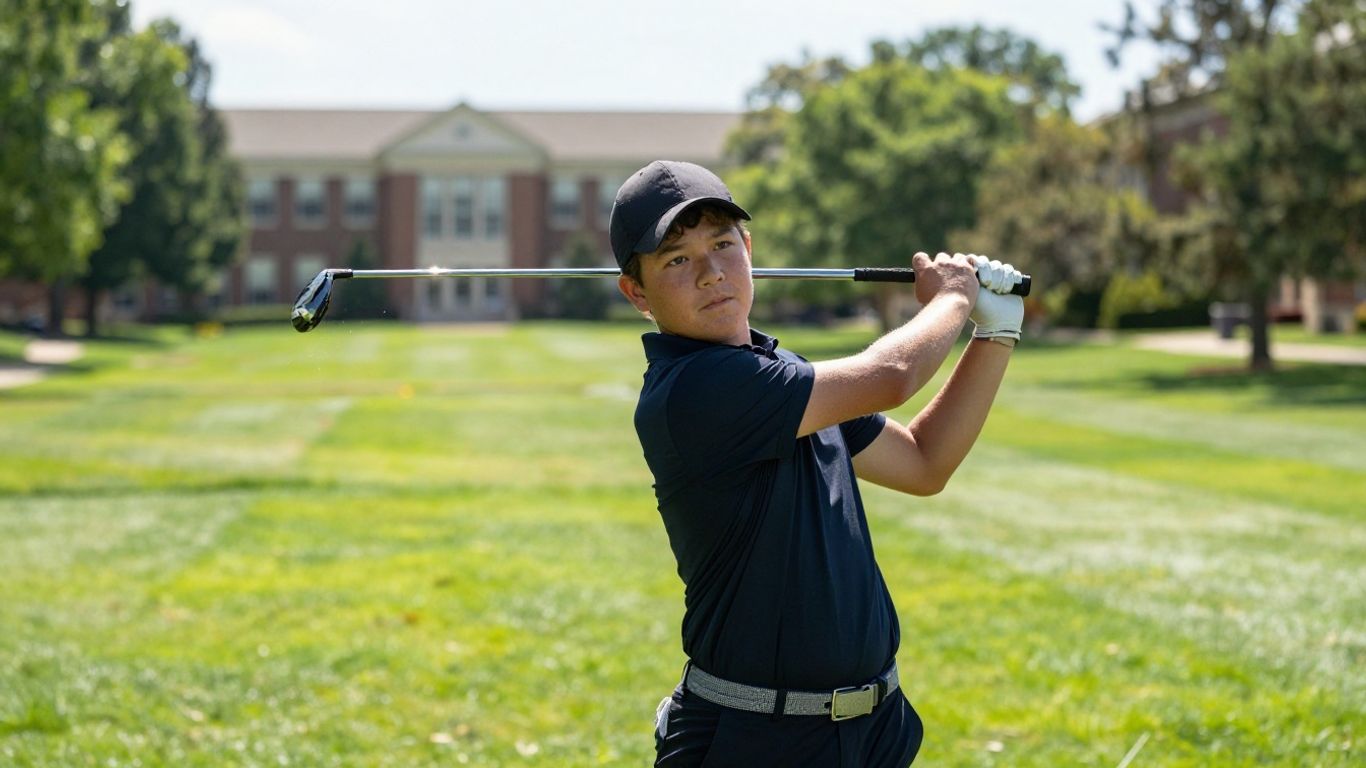
So, you're wondering, 'How does my child get recruited in golf?' It's a big question, and honestly, it can feel like a maze. There's a lot more to it than just hitting the ball straight. We're going to break down what college coaches are really looking for, how your kid can stand out, and what your role as a parent is in all of this. Think of this as your guide to help your junior golfer find their place on a college team.
Key Takeaways
Start early and ask coaches lots of questions. Don't be afraid to inquire about the school and the team.
Academics are super important. Coaches want to see good grades and a plan for what your child wants to study.
Show coaches you're serious by attending camps and clinics. It's a great way to learn and get noticed.
Be prepared to show coaches your whole game, not just the good shots. Include all scores and track your progress.
Parents should support their child's decisions, help with research, and understand NCAA rules and deadlines.
The Parent's Playbook: Navigating the Recruiting Maze
Alright parents, buckle up. You're about to embark on a journey that's part golf tournament, part scavenger hunt, and a whole lot of 'are we there yet?'. Think of yourselves as the caddies for your junior golfer's college dreams. It's a big job, and frankly, it can feel like trying to read a green in the fog sometimes. But don't worry, we've got a few pointers to help you avoid the water hazards and find the fairway.
Don't Be Shy, Ask All the Questions
Seriously, ask everything. Coaches expect it. Your kid isn't just signing up for golf; they're signing up for a university. What's the team's practice schedule like? How often do they travel? What's the coach's philosophy on player development? And for goodness sake, ask about the academics. Is there tutoring support? What are the graduation rates for athletes?
What's the team's GPA? Are there academic support systems in place?
How many players typically travel to tournaments?
What's the coach's communication style with players and parents?
What are the expectations for players outside of golf (community service, campus involvement)?
Remember, this is a two-way street. Your kid is evaluating the school just as much as the school is evaluating your kid. Don't be afraid to ask the tough questions and get the real scoop.
The Early Bird Gets the Birdie: Starting Your Junior Golf Journey
This isn't a last-minute scramble. The recruiting process often kicks off earlier than you might think. Junior golf tournaments are where coaches often scout talent. Playing in these events, especially the bigger, more competitive ones, gives your child exposure. It's not just about the scores; it's about seeing how they compete against other strong players. High school golf is great, but it usually doesn't provide the same level of competition or visibility.
Start tracking junior golf schedules and major tournaments at least a year or two in advance.
Focus on playing in events that attract college coaches.
Encourage your child to play consistently and aim for improvement, not just participation.
Is It Love? Considering College Without Golf
This is a big one. Your child might love golf now, but what if their passion shifts? Or what if they get injured? They need to be happy at the school even if golf wasn't part of the equation. Encourage them to think about the campus, the academics, the social life, and the overall vibe. If the school isn't a good fit without golf, it's probably not the right fit with golf either.
Visit campuses with your child, even if they aren't on a golf trip.
Talk to students in various majors, not just athletes.
Discuss potential majors and career paths.
It’s easy to get caught up in the golf aspect, but a college education is a long-term investment. Make sure the school is a place where your child can thrive academically and personally, with or without a tee time.
Crafting Your College Golf Resume: More Than Just Scores
So, you want to play college golf? Awesome! But before you start dreaming of sinking putts on a sunny campus, let's talk about the not-so-glamorous but super important part: your golf resume. Think of it as your highlight reel, but instead of flashy dunks, it's all about fairways hit and birdies made. Coaches get a ton of these, so yours needs to stand out. And no, it's not just about your lowest score – though that's part of it.
The 'Student' Comes First: Academics Are Your Ace
Let's get this straight: you're a student-athlete. The 'student' part? It's non-negotiable. Colleges want players who can handle the books as well as they handle a tricky bunker shot. So, make sure your academic transcript is up-to-date and easy to find. If you have a general idea of what you want to study, mention it! It shows you're thinking ahead. Coaches use your grades to see if you're disciplined and responsible – qualities they definitely want on their team. It's like a sneak peek into your work ethic.
Include your GPA and any honors.
List relevant coursework or academic achievements.
Mention any standardized test scores (SAT/ACT) if they're strong.
Coaches often say that academics are the first thing they look at. If you don't meet the school's academic standards, your golf game, no matter how good, won't get you on the team.
Show Me the Camps: Learning from the Pros
Attending college golf camps is a smart move. It's not just about getting a feel for the college atmosphere; it's a chance to learn directly from the coaches you might want to play for. These camps are where you can ask all those burning questions about how college golf recruiting works and see how a college practice session really goes down. It shows coaches you're serious about the sport and willing to put in the extra effort. Plus, you get to see how your practice translates to actual play and scoring.
Proofread Like a Pro: Polishing Your Pitch
This might sound basic, but it's a biggie. Typos and grammatical errors can make you look sloppy, and coaches notice. Before you send anything out, proofread it like your college golf dreams depend on it (because, well, they kind of do). Make sure you're addressing each coach by name and personalizing your message. A generic email blast screams 'not serious.' Good communication skills show you're ready for the academic rigor of college, not just the golf course. It's all part of showing you're a well-rounded candidate, not just someone chasing a how to get a golf scholarship without the grades to back it up.
Beyond the Fairway: What Coaches Really See
So, you've got the scores, the swing, and maybe even a killer handshake. But what else are college golf coaches looking for when they peek at your application? Turns out, it's not just about how many birdies you can rack up. They're scouting for the whole package, the stuff that happens when the pressure's on and the cameras (if there were any) are off.
Handling Adversity: The Mental Game Matters
Golf is a game of inches and, let's be honest, a whole lot of mental gymnastics. Coaches want to see how you bounce back when things go sideways. Did you throw a club after a bad tee shot? Or did you take a deep breath, analyze what went wrong, and focus on the next hole? That resilience is gold.
How you react to a shanked drive.
Your attitude after a three-putt.
Whether you can shake off a penalty stroke.
Coaches aren't just looking for a player who plays well when everything's perfect. They need someone who can dig deep when the wind picks up and the score starts climbing. That ability to stay composed under fire is often more telling than a scorecard full of eagles.
Think about it: a college golf season is long, with ups and downs. A player who crumbles after one bad hole might not be the best fit for a team that needs consistent effort and a positive outlook, even when the chips are down.
The Good, The Bad, and The Gracious: Sportsmanship on Display
How do you treat people on the course? This is a big one. Coaches are watching how you interact with playing partners, rules officials, and even your own parents. Are you a good sport, win or lose? Do you offer a handshake after a tough match? Do you thank the volunteers?
Congratulating your playing partners on good shots.
Respecting course marshals and officials.
Showing appreciation for the opportunity to play.
It might seem small, but these interactions paint a picture of your character. A player who's a jerk on the course, no matter how talented, can be a real drag on team morale.
Your Digital Footprint: Online Persona and Golf Content
In today's world, what you put online matters. Coaches often check social media. They're not just looking for your golf swing videos (though those are good too!). They want to see how you present yourself. Are you posting positive content? Do you seem like a well-rounded person? Or is your feed just a string of complaints and questionable life choices?
Clean up your social media profiles.
Consider sharing golf tips or positive experiences.
Avoid excessive negativity or controversial posts.
If you have a golf-specific social media page, that's great! It shows dedication. Just make sure the content reflects the kind of player and person you want coaches to see. It's about showing your personality and your commitment to the game, not just your scores.
The Art of the Pitch: Making Your Resume Shine

So, you've got the game, you've got the grades, but how do you actually get a college coach to notice you? It's not just about having a killer scorecard; it's about how you present yourself. Think of your golf resume as your personal highlight reel, but instead of flashy dunks, it's about your birdies and your brainpower.
Concise and Compelling: The Data Coaches Crave
Coaches get a ton of emails. A lot. So, you need to make yours count. What do they really want to see? The basics, but presented clearly. We're talking about your tournament results, your scoring average, and any national rankings you might have. Don't forget your GPA and test scores – they want to know you can handle the books as well as the back nine. This is your first impression, so make it count.
Here’s a quick rundown of what to include:
Tournament Name and Date
Course Name, Par, and Rating
Field Size
Your Score and Finishing Place
Scoring Average for the Season
GPA and Standardized Test Scores
Graduation Year
Every Score Tells a Story: Don't Hide the High Ones
It's tempting to only show off your best rounds, right? But coaches are smart. They know golf isn't always perfect. Including every score, even the ones that made you want to throw your clubs, shows honesty and resilience. It tells them how you handle a tough day on the course. Did you bounce back? Did you learn something? That's the stuff that really matters.
Coaches aren't just looking for a player who shoots lights out every single round. They're looking for someone who can manage the game, learn from mistakes, and keep a level head when things get tough. Your entire scoring history paints a more complete picture of who you are as a golfer and a competitor.
Beyond the Scorecard: Tracking Your Progress
While scores are king, coaches also appreciate seeing that you're tracking other aspects of your game. Things like fairways hit in regulation, greens in regulation, and even putts per round can show you're serious about improvement. It's not about overwhelming them with data, but giving them a snapshot of your dedication. Attending camps is also a big plus; it shows you're eager to learn from the pros and get a feel for the college game. You can find information on upcoming events to help you get noticed by college golf coaches in 2026 here.
Remember, your resume is your chance to make a strong first impression. Keep it clean, honest, and packed with the information coaches need. It’s your ticket to getting them to look closer.
College Golf Camps: A Strategic Advantage
Remember when golf camps were just a way for parents to get a week of peace while their kid learned to hit it into the woods? Yeah, those days are mostly gone. The landscape of junior golf recruiting timelin has shifted, and college golf camps are now a serious tool for players looking to get noticed. Think of them less as a summer camp and more as a direct line to the coaches you want to impress.
From Babysitting to Breakthroughs: The Evolution of Camps
Gone are the days when a camp's main purpose was to keep kids occupied. The rules around recruiting have changed, making these events much more valuable. Coaches are now looking at camps as a prime spot to see talent up close and personal. It's not just about a kid's score anymore; it's about how they handle themselves, how they learn, and if they've got that coachable spirit. These camps offer a unique chance to get direct feedback from college coaches. It's a win-win: players get a taste of what college golf is like, and coaches get to see potential recruits in action.
Experience the College Grind: Simulating Practice and Play
Attending a college golf camp is like a trial run for the real thing. You'll get to experience the intensity of college-level practice sessions, play simulated rounds under the watchful eyes of coaches, and learn drills that are actually used by college teams. It’s a chance to see if you can handle the pressure and if the college golf environment is truly a good fit for you. Many camps focus on specific skills, helping you identify areas for improvement. It’s a great way to get a feel for the daily life of a student-athlete.
Clearing the Air: Parents and Coaches Connecting
These camps aren't just for the players. They're also a fantastic opportunity for parents to connect with college coaches directly. You can ask all those burning questions about the recruiting process, NCAA rules, and what coaches really look for. It’s a chance to cut through the confusion and get straight answers from the people making the decisions. Many parents find that attending these camps helps them understand the path to college golf much better, sometimes even bringing them to tears with relief.
Attending a camp can provide clarity on the junior golf recruiting timeline and help families find the right college fit, turning a potentially overwhelming process into a manageable one.
Here's what you can expect:
Direct Interaction: Get face-to-face time with college coaches. Ask questions, get advice, and make a personal connection.
Skill Development: Participate in drills and practice sessions designed by college coaches to improve your game.
Program Insight: Learn about the day-to-day life of a college golfer and understand the expectations of different programs.
Recruiting Clarity: Gain a better understanding of the college golf recruiting process and timelines directly from coaches.
The Parent's Role: Support Without Sabotage

Okay, parents, let's talk about your role in this whole college golf recruiting thing. It's easy to get caught up in the excitement, the tournaments, the potential scholarships. But here's the deal: your kid needs you to be their biggest fan, not their overbearing manager. Think of yourselves as the caddy – offering advice, keeping things calm, and making sure they have what they need, but ultimately, it's their shot to take.
Reviewing the Details: Staying on the Same Page
This is where you become the ultimate proofreader and organizer. Your junior golfer is busy with school, practice, and trying to figure out if they even like the cafeteria food at potential colleges. You can be the one to double-check that emails to coaches are sent, that application deadlines aren't looming like a missed putt on the 18th, and that everyone remembers what was discussed during a campus visit. It’s about making sure you’re both working towards the same goal, without you taking over the steering wheel.
Keep a shared calendar: Jot down important dates for applications, standardized tests, and coach communication windows.
Review emails before they send: Not to change them, but to catch any typos or ensure the tone is right.
Discuss feedback: Talk about what coaches are saying (or not saying) and how your junior feels about it.
Research and Reconnaissance: Digging into Programs
Before your kid even thinks about sending a resume, you can be doing some serious digging. This isn't about finding the best program, but the right program for your child. That means looking beyond the golf rankings and into the academics, the campus culture, and the coach's philosophy. Coaches can change, and sometimes the best fit isn't the flashiest one.
Coaches are looking for players who fit their program's needs, not just the ones with the lowest scores. A good fit means your junior will be happy, challenged, and more likely to succeed both on and off the course.
The Long Game: Understanding NCAA Rules and Deadlines
This is where things can get a little tricky, like a tricky lie in the fairway. The NCAA has a whole set of rules about when and how coaches can contact recruits, and when recruits can commit. Ignoring these can cause major headaches. It’s your job to get a handle on these timelines so you don’t miss opportunities or accidentally break a rule. Think of it as learning the local rules before a big tournament.
Know the Division levels: Understand the differences between Division I, II, III, and NAIA.
Track contact periods: When can coaches reach out? When can your junior initiate contact?
Be aware of signing dates: When do commitments become official?
So, What's the Final Score?
Alright, so we've talked about resumes, camps, and asking coaches a million questions (seriously, ask them!). It might feel like you're trying to sink a 30-foot putt on the 18th hole, but remember, your kid's golf game is just one piece of the puzzle. Academics matter, personality matters, and honestly, just being a decent human being goes a long way. Don't get so caught up in the birdies and bogeys that you forget the bigger picture. This whole college golf thing is a marathon, not a sprint, and sometimes, the best shot you can give your kid is just being there to help them read the green. Now go forth and, you know, try not to stress too much. It'll all work out... probably.
Frequently Asked Questions
When should my child start thinking about college golf?
It's never too early to start thinking about it! While coaches often look at players in their junior year of high school, it's smart to begin exploring options and playing in bigger tournaments around your freshman or sophomore year. This gives your child time to improve and get noticed.
What's more important: grades or golf scores?
Both are super important! Think of it as being a 'student-athlete.' Coaches want players who are smart and can handle schoolwork, not just play golf. Good grades show you're organized and responsible, which coaches love.
Do I need to ask coaches a lot of questions?
Absolutely! Don't be shy. Asking questions shows you're serious and interested. Ask about the team, the school, practice schedules, and anything else you want to know. Coaches expect it, and there are no silly questions when you're trying to find the right fit.
How can my child stand out from other golfers?
It's not just about your scores. Coaches like to see that you're a good person on and off the course. Show sportsmanship, handle tough moments well, and maybe even share videos of your game. Also, make sure your online stuff looks good – coaches check that too!
Are college golf camps helpful?
Yes, they can be a great way to learn from college coaches, see what college practices are like, and even play in front of them. It's a good way to get a feel for college golf and for coaches to get to know you better.
What's the best way to make a college golf resume?
Keep it clear and include all the important details like your scores, the courses you played, and how you finished. Don't hide your not-so-great scores; coaches want to see the whole picture. Also, mention any camps you've attended and highlight your academic achievements.