
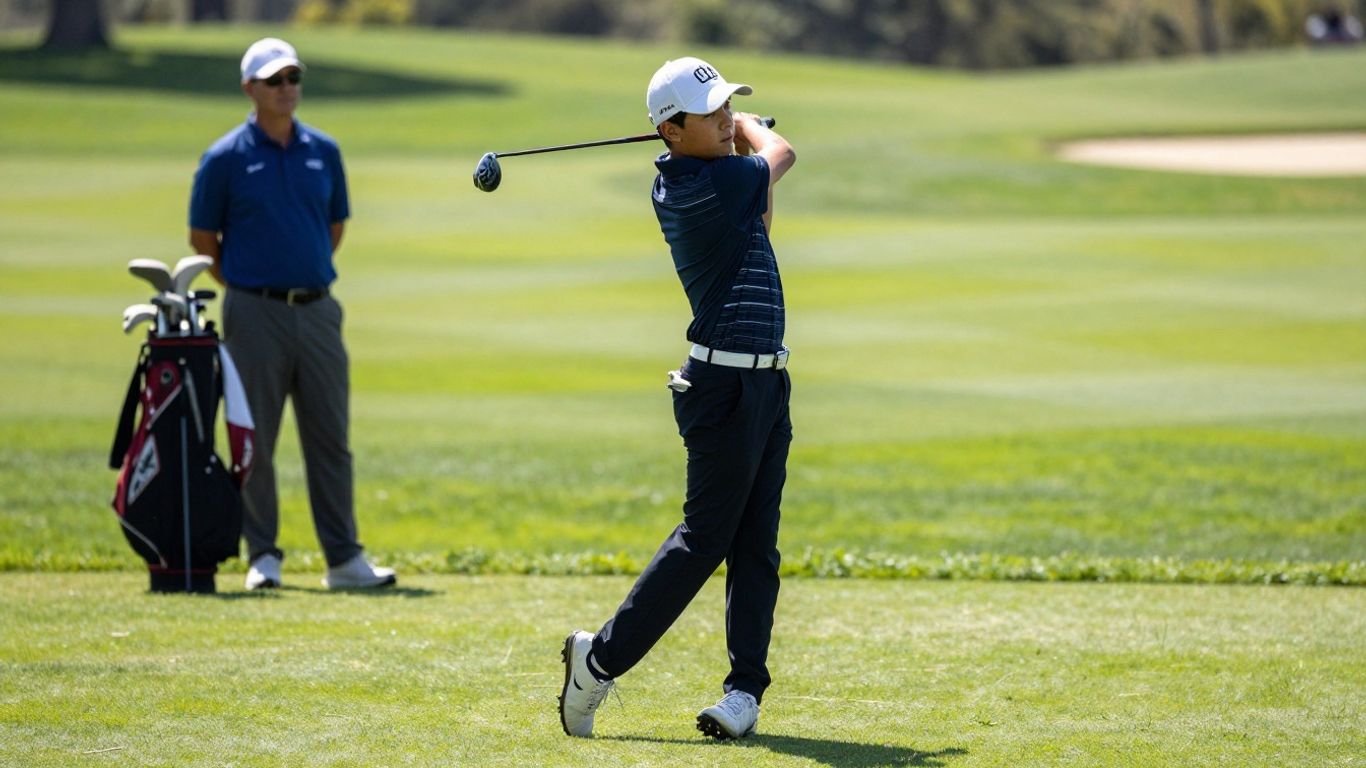
So, you're a golfer dreaming about playing in college. That's awesome! But when do college coaches start recruiting golfers? It’s a question on a lot of young players' minds. It feels like a big puzzle, and timing is everything. Let's break down when coaches start looking and what you can do to be ready.
Key Takeaways
- Coaches can officially contact you starting June 15 after your sophomore year, but they're watching long before that.
- Junior year is usually when most recruiting action happens, so be prepared.
- Coaches look at more than just your scores; they watch how you handle tough shots and how you practice.
- Be realistic about your skill level and what kind of program fits you best.
- Stay in touch with coaches and keep them updated on your progress, but don't be pushy.
Understanding the College Golf Recruiting Timeline
If you're a high school golfer dreaming of that sweet team windbreaker and maybe even a golf scholarship early recruitment, you better know the golf recruiting timeline as well as your favorite putter. The college golf recruitment process doesn’t just sneak up on you out of the bushes. It’s a structured journey that starts sooner than you think, especially when to get noticed by golf coaches actually matters. Let’s break down what you should be doing (besides spending your allowance on Titleists) at each stage.
Early Interest: Freshman and Sophomore Years
- Coaches can’t technically chat it up with you yet, but they can absolutely notice you from afar—kind of like how you eye the last piece of pizza in the box.
- Build your resume early! Play in lots of competitive tournaments, get those scores low, and post them everywhere you can (think Instagram, but for golf stats).
- Research programs. Don’t just stalk your favorites—start a spreadsheet (yes, it’s nerdy, but future you will thank you) comparing team rosters, coach reputations, and golf course quality.
- Use this time to focus on academics too because let’s face it, college coaches want players who know their way around a class schedule as well as a fairway.
Key Tasks for Underclassmen:
- Play in regional and state tournaments
- Keep handy records of tournament finishes
- Take a few practice SATs or ACTs—just flex those brain muscles
The Crucial Junior Year: Peak Recruiting Activity
- NCAA Division I and II coaches get the official go-ahead on June 15 after sophomore year to reach out by email, text, or old-school phone call. Be cool, don’t panic if your phone rings!
- August 1 before your junior year is the golden ticket: coaches can actually meet you off campus—and you can visit them, too. If your handshake is weak, start practicing now.
Here’s a quick table on what goes down:
| Key Date | What Changes for You? |
|---|---|
| June 15 (after Soph) | Coaches can send official comms |
| August 1 (before Jr) | Off-campus meetings and visits are allowed |
- This is the time to get serious about where you want to play and start having real conversations with coaches. Be honest about your interests—including how much you love cafeteria pancake Tuesdays.
Senior Year: Finalizing Decisions and Commitments
- Now it’s decision time. Senior year is all about sorting offers, taking official visits, and hopefully, committing before the panic sets in.
- College coaches are finishing up their recruiting class like chefs throwing together final seasonings — and yes, there are real deadlines if you want to sign during National Signing Day.
Typical Senior Year To-Do List:
- Schedule and attend official visits (and remember which campus had better dorm beds)
- Compare any offers you get—not just the money, but the overall fit
- Make your commitment, whether you’re signing on that dotted line or doing a fancy announcement video for your classmates
Don't get so busy tracking your golf scores that you forget to enjoy your high school career—and maybe win Prom King or Queen, too. The golf college recruitment process is stressful, but it’s just one part of your story.
Bottom line: Understanding the college golf recruiting timeline makes a big difference in high school golfer college recruitment, especially when to get noticed by golf coaches is half the battle. So, keep your eye on the ball (and the calendar), and maybe give your parents a break from playing Uber to every tournament—at least once in a while.
Factors Influencing When Coaches Start Recruiting
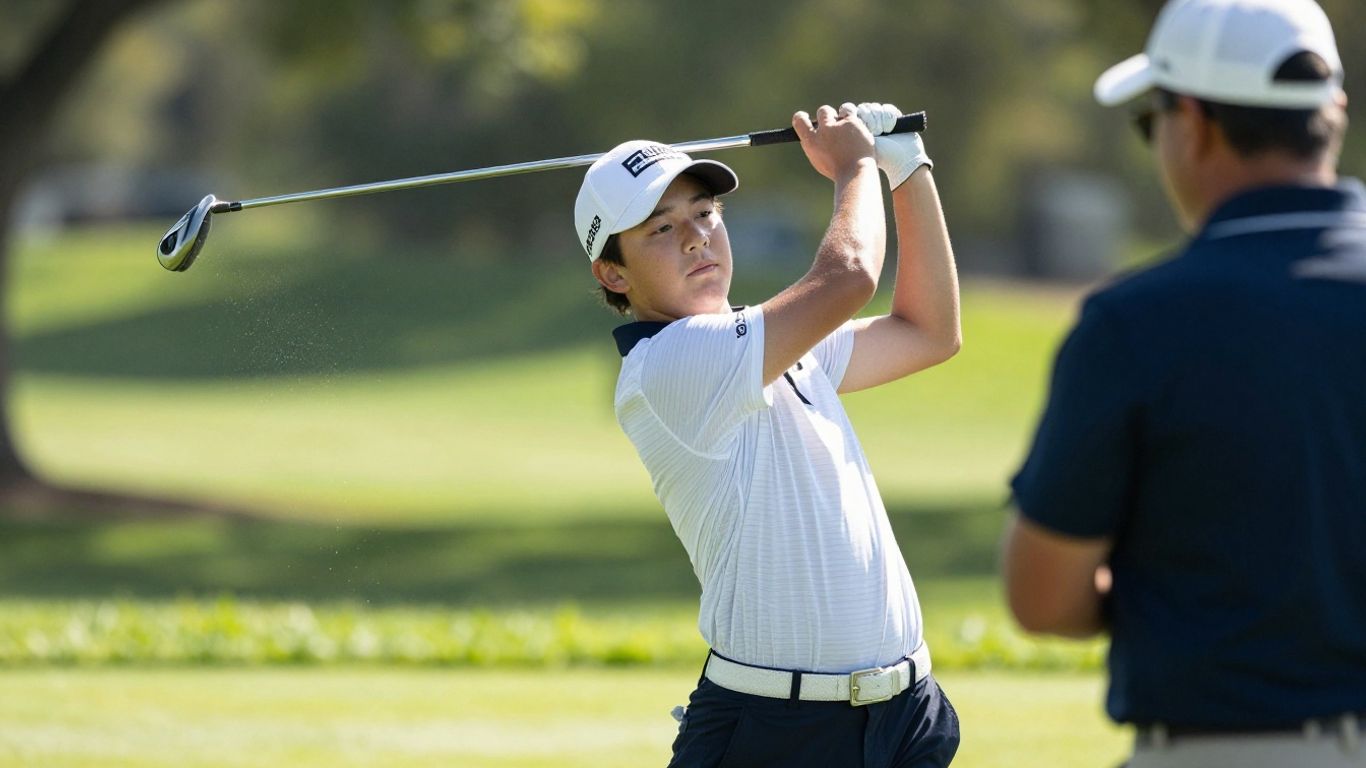
Picture this: you’re racking up birdies as a high school freshman, and you spot a college coach safely eyeing your form from behind their sunglasses. Or… crickets. What gives? Coaches don’t all work off the same playbook. Here’s what’s going on under the hood when it comes to recruiting young golfers:
Player Skill Level and Potential
If you’re dropping 68s at national events as a sophomore, your inbox is about to get a little busier. But, if you’re still working on not losing your wedge on the 15th hole, it might be a minute. Coaches mostly scout players who show consistent tournament results and have a strong golf resume. Here’s what they care about:
- Performance at big tournaments (no pressure, right?)
- Improvement curve—are you getting better every year?
- Mental toughness and how you bounce back from a “quad”
| Player Level | Coach Attention Likely? | Example Tournament Scores |
|---|---|---|
| Top National Junior | Yes | 68-73 |
| State Standout | Sometimes | 72-76 |
| Local Team Star | Less | 76-81 |
Coaches are always on the lookout for players who aren’t just talented, but can also handle three-putting from ten feet without throwing their putter in the nearest pond.
Program Needs and Roster Spots
Not all teams are created equal—and not all rosters are empty. Recruiting is a bit like musical chairs: if a team is stacked with upperclassmen, they may have barely any room for new faces. Meanwhile, if last season’s players graduated en masse, suddenly there’s an opening or two.
- Number of graduating seniors (are they losing their ace?)
- Redshirt years and transfers affecting who’s really leaving
- Scholarship budget—some programs have more than others
If you’re eyeing a specific school, it pays to look up their roster and see who’s set to graduate.
Coach's Personal Recruiting Strategy
Here’s the twist: some coaches are “early birds” on the recruiting trail, searching for prospects when you’re still figuring out which end of the range finder is up, while others take their time, waiting until players mature a bit.
- Some prioritize early commits, locking up talent years in advance
- Others prefer to see how players develop during junior year
- Some scout heavily at big junior tournaments, others rely on rankings and emails
The bottom line? There’s no single formula—some coaches zig, others zag, and some don’t even like eggs for breakfast.
- Research each coach’s recruiting history if you can
- Don’t worry if one school responds slowly—another may be on a totally different timeline
- Keep updating coaches on your progress; persistence pays off
Stay patient and play your best—the right coach may be watching when you least expect it.
What Golfers Can Do at Each Stage
Alright, let's talk about what you can actually do to get noticed by college golf coaches. It's not just about hitting bombs off the tee, though that helps. Think of it like this: you're the product, and the coaches are the picky shoppers. You gotta make sure your packaging is top-notch and that you're on the right shelf.
Building Your Golf Resume Early
This is where you start laying the groundwork, way before coaches can even slide into your DMs. It’s like prepping for a big exam – you don’t cram the night before, right? Same idea here. You need to be consistently good, not just a flash in the pan.
- Get Your Grades in Order: Seriously, coaches care about this. They don't want slackers who can't handle a textbook, let alone a tough course. Aim for good grades; it shows you're disciplined. Plus, it opens up more college options, not just the golf powerhouses.
- Play in Tournaments: Not just your local club championship. You need to be playing in events where college coaches might actually show up. Think regional and national junior tournaments. This is where you prove you can handle pressure and compete against other serious players. It's also a great way to see how you stack up against the competition you'll face in college golf recruiting.
- Start a Highlight Reel: Even if it's just a few clips of your best shots from different tournaments. Coaches want to see your swing, your short game, and how you handle yourself on the course. Keep it short, sweet, and impressive.
Coaches aren't just looking for the next Tiger Woods. They're looking for someone who can be a good student, a good teammate, and someone who won't quit when things get tough. The "total package" is what they're after, and that starts with being a well-rounded person, not just a good golfer.
Making Contact and Showcasing Talent
So, you've got your grades looking decent and a few tournament wins under your belt. Now it's time to actually talk to people and keep showing them what you've got.
- Create a Player Profile: This is your digital resume. Include your stats, your tournament schedule, your academic information, and that highlight reel we talked about. Make it easy for coaches to find all the info they need in one place.
- Reach Out (Politely!): Don't wait for coaches to find you. Once they can officially contact you (usually after June 15th of your sophomore year), send them a personalized email. Mention why you're interested in their specific program. Did you like their course? Their team's recent performance? Show you've done your homework.
- Be Coachable: This is huge. When you get a chance to talk to a coach, or if you get invited for a visit, listen. Ask questions. Show them you're eager to learn and improve. Nobody wants a player who thinks they know it all. Being open to feedback is a sign of maturity and a willingness to grow, which is exactly what college coaches are looking for.
Navigating the Recruiting Process: Key Takeaways
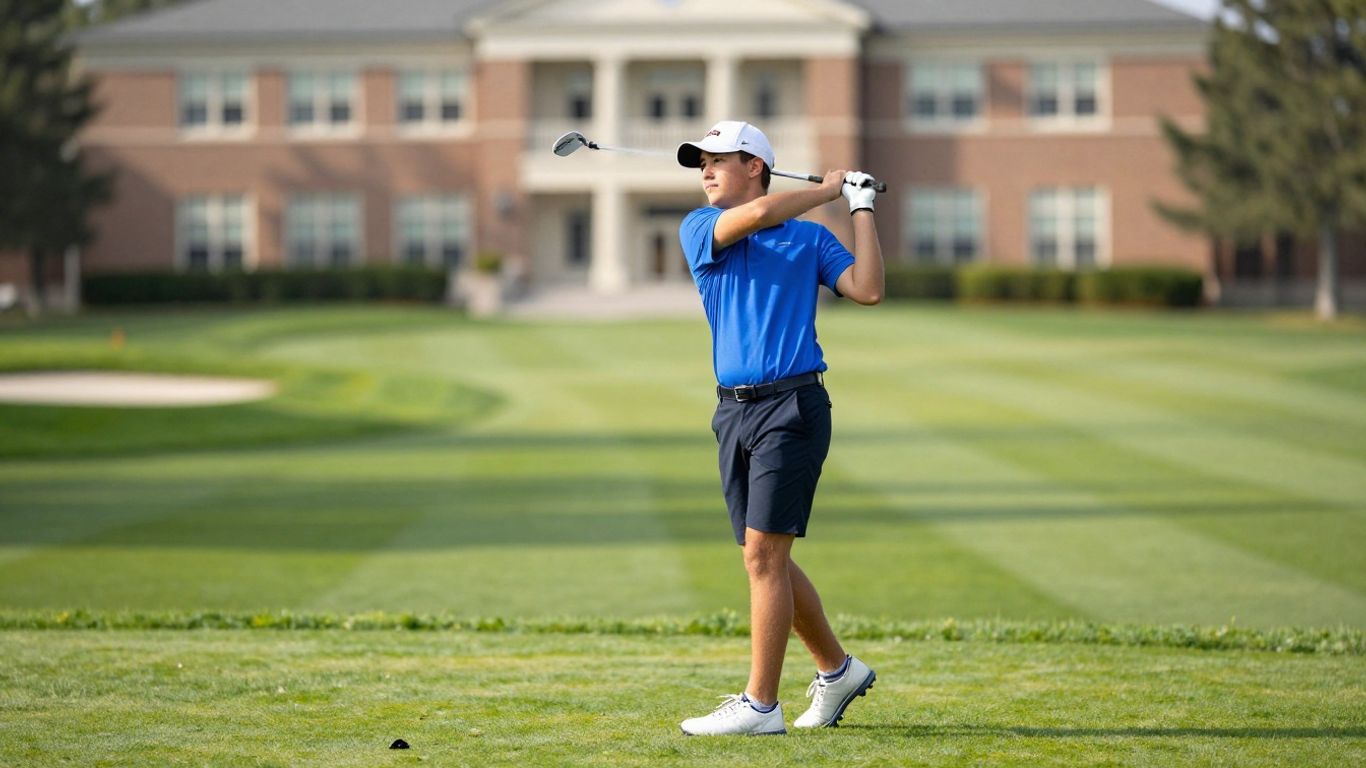
It’s no secret—the college golf recruiting game is like trying to assemble IKEA furniture without the instructions. Hard, confusing, but totally manageable if you just take it one step at a time. Here’s your cheat sheet to keep the screws and golf balls from rolling off the table:
- Start Early, Even if You’re Still Missing a Few Teeth from Middle School: Coaches begin their wish-lists earlier than you think. If you’re a high school underclassman, don’t worry—there’s still time, but showing interest early never hurts.
- Don’t Be a Robot: Tailor your messages to each coach and school. “Dear Coach, I love your university and your blue team color” might not cut it. Mention something real—like you saw their team birdie the 18th at last year’s invitational and want to know if the locker room really does have a ping-pong table.
- Play and Post With Purpose: Every score, every highlight video, even your reactions when you chunk a wedge—all of it counts. Coaches do their homework, so bring your best on the course and online.
- Stay Open-Minded: D-I isn’t the only place to play. There’s some serious golf (and fun) to be had in D-II, D-III, NAIA, and NJCAA. Don’t overlook a school just because their mascot looks suspiciously like your neighbor’s cat.
- Team Chemistry > Just Talent: Coaches want players who fit in, not just ones who can bomb a driver. Show that you’re a good teammate. That means cheering on others, picking up lost balls without grumbling, and maybe even carrying a few extra waters.
Remember, the process sometimes feels like golf on a windy day. You might not know where your next shot will land, but if you keep swinging—and smiling—you’ll finish the round just fine.
Be yourself, stay persistent, and don’t sweat the wait—coaches are often just busy, not uninterested. If you’re honest about what you want and where you fit, you’ll find a program where you can play, learn, and laugh a little too.
Conclusion: Wrapping Up the Golf Recruiting Circus
So, there you have it—golf recruiting is a bit like trying to find your ball in the rough: you know it’s out there somewhere, but it takes some patience, a sharp eye, and maybe a little luck. Coaches start looking earlier than you think, and they’re not just watching your swing—they’re watching how you handle a bad shot, how you treat your mom, and whether you can survive a five-hour round without losing your cool (or your clubs). The key is to start early, keep your grades up, and don’t be afraid to send that awkward email to a coach (just maybe don’t copy-paste it to every school in the country). Remember, it’s not just about the lowest score—it’s about showing you’re the kind of player and person a coach wants on their team. And if all else fails, just remember: there’s always mini-golf. Good luck out there!
Frequently Asked Questions
When can college golf coaches officially start talking to me?
For NCAA Division I and II golf, coaches can start reaching out to you on June 15th, right after your sophomore year of high school. Before this date, they can send general information, but they can't have personal conversations with you.
What should I do before coaches can contact me?
Even though coaches can't call you until later, you should start getting ready much earlier. This means working on your golf game, keeping your grades up, making a video of your swing, and putting together a profile that shows off your skills and achievements.
What do coaches look for besides just good scores?
Coaches want more than just low scores. They also look for players who have a strong passion for the game, a great attitude, and can handle tough situations without getting upset. How you practice, how you treat others, and your overall character are really important too.
How important are my grades in getting recruited?
Your grades are very important! Good grades show coaches that you can handle the hard work of college classes. Plus, strong academic performance can sometimes help you get academic scholarships, which can make you a more attractive player for a coach.
How do coaches watch players in tournaments?
Coaches often go to junior tournaments to watch players. They might watch you practice on the driving range to see how focused you are, or they might walk along the course to see how you react to challenges like a bad shot or a tough hole. They're looking at your skills and your mindset.
What if a coach doesn't reply to my emails right away?
Don't worry if coaches don't reply immediately. They are very busy managing many players and teams. Keep sending them updates about your progress, like after every few tournament rounds, in a polite and professional way. Persistence shows you're serious.