
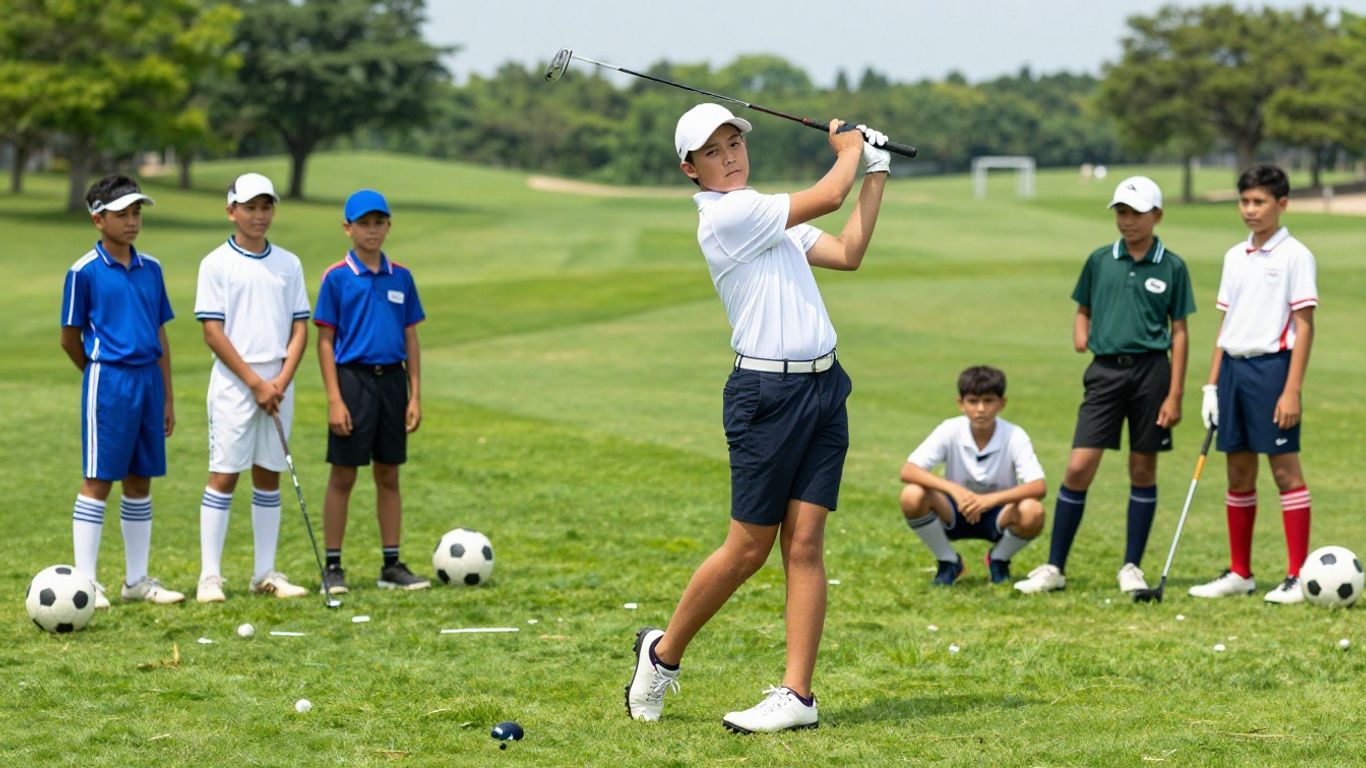
So, should junior golfers play other sports? It's a question many parents and coaches ponder. While golf offers a unique set of skills and lessons, sticking to just one sport might not always be the best path for a young athlete. Let's dive into why mixing things up could actually be a good idea for developing well-rounded kids, both on and off the course.
Key Takeaways
Playing multiple sports can help young golfers develop a wider range of physical abilities, making them more athletic overall.
Trying different activities can prevent burnout and reduce the chance of injuries that might come from repetitive golf motions.
Exposure to other sports can build mental toughness and resilience, teaching kids how to handle different kinds of challenges.
Team sports, in particular, can teach valuable lessons about cooperation and social interaction that might be less emphasized in individual golf.
Finding a balance is important; the goal is to support a child's development without overwhelming them or taking the fun out of playing.
The Case for Specialization vs. Diversification in Junior Sports
Alright, let's talk about junior golf. We've got parents and coaches out there wondering if little Timmy should be hitting the links 24/7 or if he should, you know, maybe kick a soccer ball around sometimes. It's the age-old debate: specialize early and become the next Tiger Woods, or diversify and become... well, a well-rounded human being who might also play golf?
Think about it. Some folks swear by the "one sport, all in" approach. The idea is that by focusing solely on golf from a ridiculously young age, kids will master the swing, the short game, and the art of looking stoic after a three-putt. They'll learn discipline, time management (scheduling practice around homework is basically rocket science, right?), and maybe even how to talk to adults without mumbling.
But then there's the other camp, the "let them try everything" crew. They argue that forcing a kid into one sport too soon is like making them eat broccoli for every meal. Sure, it's good for them, but where's the fun? Plus, what if little Susie discovers she's a natural at volleyball and golf just isn't her jam?
Here's the thing:
Specialization: Might lead to early success in golf, but could also lead to burnout faster than a cheap golf cart battery on a hot day.
Diversification: Builds a broader skill set, reduces the risk of overuse injuries (your kid's elbow will thank you), and keeps things interesting.
The Middle Ground: Maybe a bit of both? Golf during the season, other sports in the off-season? Revolutionary, I know.
The pressure to pick a sport and stick with it can be intense. But remember, most kids aren't destined for the PGA Tour. They're just kids trying to figure things out, have some fun, and maybe not get too many grass stains on their khakis.
So, is it better to have a mini-golfer who's a one-trick pony, or a kid who can do a little bit of everything and happens to be pretty good at golf too? It's a question that keeps parents up at night, right after "Did I pack enough snacks?"
Benefits of Cross-Training for Young Golfers
Look, we all love golf. The satisfying thwack of a well-struck iron, the quiet contemplation on the green, the sheer joy of not losing your ball in the woods for once. But let's be real, sometimes our junior golfers can get a little too focused on the fairway. That's where the magic of playing other sports comes in. Think of it as giving their golf muscles a vacation while their other muscles get a workout. It's not about abandoning the links; it's about becoming a more capable human being who also happens to be pretty good at golf.
Developing a Broader Range of Physical Skills
Golf is, let's face it, a bit of a one-trick pony physically. You swing, you putt, you walk. Pretty neat, but not exactly a full-body workout. When junior golfers try other sports, they start using muscles they didn't even know they had. Running around a soccer field? That's cardio, baby! Throwing a baseball? Shoulder strength, baby! Swimming? Full-body engagement, baby! It's like giving their bodies a surprise party.
Agility: Ever seen a golfer suddenly need to sprint after a rogue squirrel? Probably not. But in soccer or basketball, they're dodging and weaving like pros. This agility translates to better footwork on the course.
Balance: Gymnastics or even just playing tag can seriously improve a kid's ability to stay upright. Ever tried to putt with wobbly knees? Not ideal.
Coordination: Sports like tennis or badminton require hand-eye coordination that's way more dynamic than lining up a putt. It's about reacting, not just calculating.
Reducing the Risk of Burnout and Injury
Sticking to just one sport can get, well, boring. Imagine eating pizza every single day for every meal. Sounds great at first, right? But after a while, you're going to crave a taco. Same with golf. When kids are constantly doing the same thing, their bodies get tired of it, and their minds can wander. This is where multi-sport athletes for young golfers really shine. They get a break from the repetitive motions of golf, which can save their golf-specific muscles from getting overworked. Plus, a change of scenery is good for the soul, or at least, for the kid's enthusiasm.
The pressure to specialize early in golf can sometimes lead to young players feeling like they're on a treadmill. Introducing them to other activities provides a much-needed mental and physical reset, making their return to the golf course feel fresh and exciting again.
Enhancing Mental Fortitude and Resilience
Golf can be a mental rollercoaster. One minute you're a hero, the next you're looking for your ball in the deepest, darkest part of the woods. Playing different sports teaches kids how to handle a variety of situations. Did they miss a game-winning shot in basketball? They learn to shake it off and try again. Did their soccer team lose a tough match? They learn that not every battle is won. These experiences build grit, a quality that's super useful when you're facing a tricky chip shot or a long putt. It's all about learning to bounce back, which is a pretty handy skill for life, not just for golf.
Fostering Teamwork and Social Skills
Golf can be a bit of a solo mission. Sure, you play with others, but ultimately, it's your score. Other sports, especially team sports, are all about working together. Learning to communicate with teammates, celebrate successes as a group, and commiserate over losses builds social muscles that golf alone might not develop. It's about being part of something bigger than yourself, which is a pretty cool lesson. These alternatives to junior golf programs can actually make them better golf partners too, because they understand the give-and-take of collaboration. It's about developing well-rounded young athletes, not just mini-golf pros. You can find some great junior golf programs out there, but don't forget the power of a well-rounded athletic experience.
Potential Downsides of Playing Other Sports
While the benefits of youth sports participation are talked up pretty much everywhere (and for good reason), it’s not all sunshine and hole-in-ones when junior golfers start picking up other sports. There are a few bumps in the fairway that parents and coaches might want to consider.
Time Commitment and Scheduling Conflicts
Sometimes, trying to juggle multiple sports is like playing 27 holes in one day—eventually, something’s gotta give.
Here's what can make things tricky:
Practices and games for different sports often overlap, and golf tournaments don’t really care if you have soccer playoffs the same weekend.
Homework? Family dinners? Sometimes those become casualties of an overly packed schedule.
Rest days might disappear quicker than lost golf balls in the pond.
Challenge | Impact |
|---|---|
Overlapping Schedules | Missed practices/tournaments |
No downtime | Increased fatigue |
Academic pressure | Stress, falling behind |
If your fridge has more color-coded calendars than food, you might be overbooked!
Risk of Injury to Golf-Specific Muscles
Trying out multiple sports isn’t all high-fives—different physical activities can wake up muscles golf never knew existed, and sometimes that’s not so great.
Consider these injury risks:
High-contact sports (hello, football!) can leave your wrists and shoulders begging for mercy during your next swing.
Certain movements (like sudden sprints in basketball or changes in direction in soccer) can challenge your body in ways golf usually doesn’t—sometimes leading to strains and sprains.
Repetitive stress from sports like tennis or baseball could clash with the mechanics of golf, potentially causing chronic soreness or injury.
A few possible injury scenarios for golfers dabbling elsewhere:
Sprained ankles from court or field sports making it tough to walk 18 holes.
Shoulder tweaks from swimming or throwing motions.
Wrist soreness after trying volleyball or lacrosse for the first time.
Basically: It can feel like your body’s screaming, “Hey, pick one sport already!”
While the benefits of youth sports participation are real, mixing in other sports means paying a little extra attention to time, rest, and those golf-specific muscles that just want to chill on the couch once in a while.
Finding the Right Balance: Recommendations for Parents and Coaches
Okay, so we've talked about why playing other sports is a good idea for junior golfers, and maybe a few reasons why it's not. Now, how do we actually make this work without everyone losing their minds? It’s all about finding that sweet spot, like Goldilocks with her porridge, but with less porridge and more… well, golf.
Age-Appropriate Recommendations
Look, a six-year-old isn't going to have the same schedule as a sixteen-year-old. It’s just common sense. For the little ones, think short bursts of fun. Maybe one other sport for a season, just to keep things interesting. They’re still figuring out how to tie their shoes, let alone master a golf swing. As they get older, say, into their teens, they might have more capacity to handle a more structured schedule. But even then, don't let golf consume their entire existence. Remember, they're kids! Here’s a rough idea:
Ages 6-10: One other sport, maybe two if they’re super low-key. Focus on fun and general movement. Think soccer, t-ball, or just running around like a maniac.
Ages 11-14: Two other sports is probably the max. This is when they can start to understand more complex skills and time management. They might be able to handle a bit more structure, but keep it from becoming a full-time job.
Ages 15+: Here, they might start to lean more heavily into golf if that’s their passion. But even then, a complementary sport can still be beneficial. Maybe something that works different muscle groups or offers a mental break. Think basketball for agility or swimming for low-impact cardio.
Prioritizing Fun and Enjoyment
Seriously, if it’s not fun, why are they doing it? I’ve seen parents push their kids so hard in junior golf that the joy just drains right out of them. It becomes a chore, a second job. That’s not what we want. We want them to love the game, not resent it. If your kid is dreading practice, or if they’re constantly stressed about their scores, something’s off. It’s okay for them to want to get better, but not at the expense of their happiness. A good rule of thumb is to aim for a practice environment where they feel successful about 85% of the time. This helps build confidence without making it feel like a constant uphill battle. You want them to feel like they can actually do this stuff, you know? Check out some tips on building confidence in young athletes to get a better idea of what that looks like. It’s about creating positive experiences, not just chasing birdies.
The goal here isn't to create a mini-pro overnight. It's about raising a well-rounded human who happens to be good at golf. If they're miserable, they won't stick with it, no matter how talented they are. Let them explore, let them play, and let them be kids. The golf will be there, and hopefully, they'll still want to play it when they're older.
So, Should Junior Golfers Stick to the Fairway?
Look, we get it. Golf is pretty cool. It teaches kids to be patient, not to throw tantrums when they miss a putt (mostly), and how to look vaguely professional in a polo shirt. But honestly, if your kid is spending all their free time perfecting their swing instead of, say, learning to dodge a rogue dodgeball or scoring a touchdown, they might be missing out on some other, equally ridiculous, life lessons. Maybe a little soccer chaos or basketball hustle wouldn't hurt. After all, a well-rounded athlete is a well-rounded human, even if they can't quite master the sand trap. So, let them swing for the fences in other sports too – it's all part of the grand, messy game of growing up.
Frequently Asked Questions
Why should young golfers try other sports?
Trying other sports helps young golfers develop a wider range of physical skills, like better balance and coordination, that can actually improve their golf game. It also gives their golf-specific muscles a break, reducing the chance of getting hurt. Plus, playing different sports can make them mentally tougher and better at working with others.
Can playing other sports lead to burnout in golf?
Sometimes, if a young athlete tries to do too much, it can lead to feeling tired of golf. However, playing other sports can actually prevent burnout by keeping things fresh and fun. It offers a different kind of challenge and allows for breaks from the intense focus golf sometimes requires.
Are there any risks to playing other sports besides golf?
Yes, there can be risks. One concern is that playing sports that involve a lot of running or jumping might put extra strain on muscles that are important for golf. Also, fitting in practices and games for multiple sports can be tough on a young person's schedule.
How can parents and coaches help kids find the right balance?
Parents and coaches should talk to the kids about what they enjoy most. It's important to make sure they aren't overscheduled and that they still have time for fun. The main goal is for kids to love playing sports, not feel forced into them.
Does golf teach leadership skills?
Absolutely! Golf teaches kids important leadership skills like making smart decisions, thinking strategically, and staying calm under pressure. They learn to manage their emotions and show good sportsmanship, which are key qualities for leaders both on and off the course.
What life lessons does golf teach besides physical skills?
Golf teaches a lot of valuable life lessons. Kids learn patience because progress takes time, and persistence to keep trying even after a bad shot. They also learn integrity by following the rules, responsibility for their own game, and how to handle mistakes and bounce back from them, building resilience.